
Skip to Content

 Read More
 Read More
 Read More
 Read More
 Read More
 Read More
 Read More
 Read More
 Read More
 Read More
Articles
Why Research Matters for Automatic Tourniquets
Hannah Herbst · 3/11/26
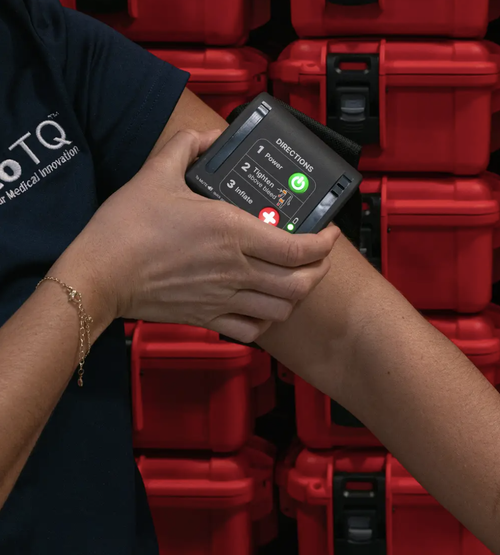
AutoTQ automatic tourniquet device designed for rapid bleeding control and hemorrhage management by trained bystanders
Safety Preparedness Across Transportation Operations
Gabriella Martinez · 2/19/26
Why Schools Need Bleeding Control & Safety Tools: Preparedness That Saves Lives
Hannah Herbst · 2/17/26
What AEDs Taught Us About Emergency Response and Why Bleeding Control Is Evolving
Gabriella Martinez · 2/16/26
Preparedness Behind the Scenes: Safety Readiness in Professional Sports Venues
Gabriella Martinez · 2/16/26
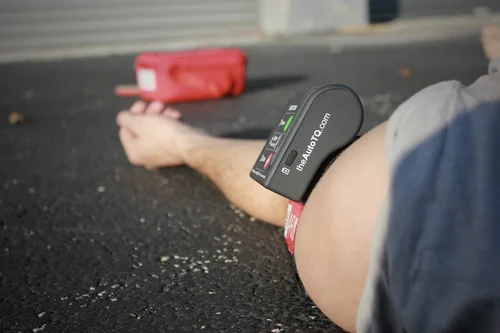
Does a Tourniquet Need to Hurt to Stop the Bleed?
Gabriella Martinez · 2/13/26
Industrial Bleeding Emergencies: A Growing Safety Risk in Manufacturing
Gabriella Martinez · 2/11/26
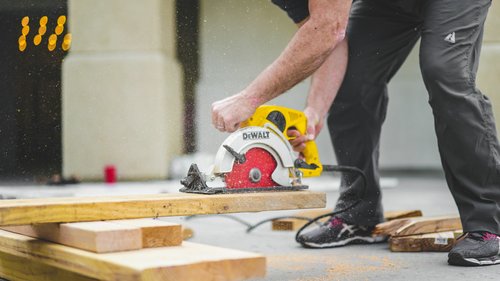
Why Construction Sites Need Automatic Tourniquets
Gabriella Martinez · 2/4/26
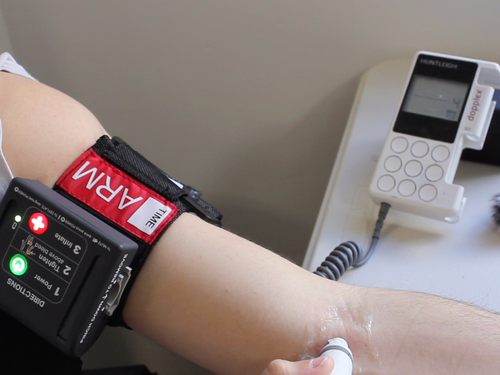
What makes a Tourniquet both Safe and Effective?
Hannah Herbst · 1/30/26
Tourniquets save lives—but only when they apply the right amount of pressure. In this article, AutoTQ inventor Hannah Herbst explains how tourniquet pressure works, why cuff width matters, and how modern pneumatic tourniquets can stop bleeding safely without excessive force.
Forestry and Logging Safety Preparedness in Remote Work Environments
Gabriella Martinez · 1/20/26
