

What AEDs Taught Us About Emergency Response and Why Bleeding Control Is Evolving
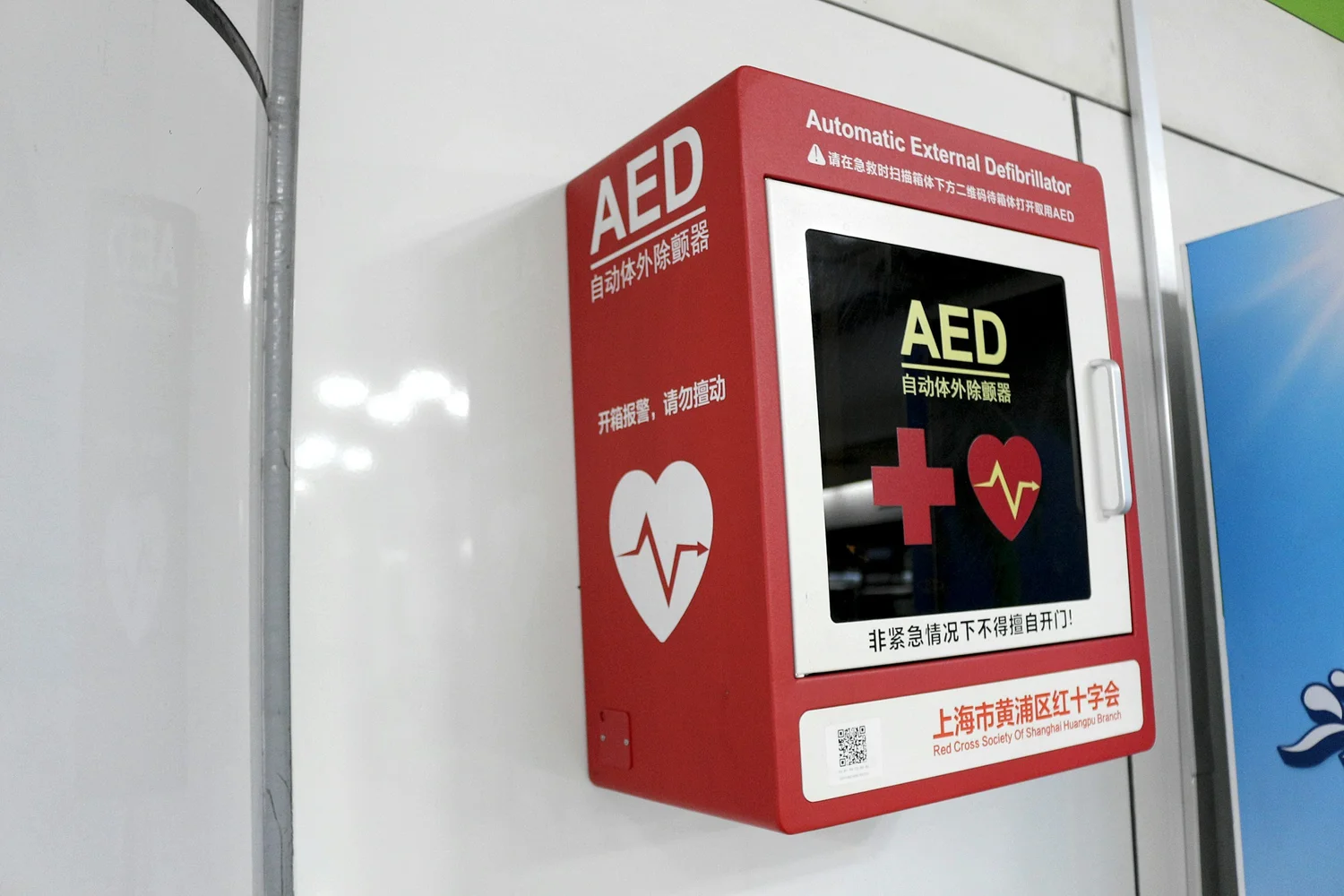
Not long ago, sudden cardiac arrest was considered a crisis only medical professionals could manage. Defibrillation required specialized training, complex equipment, and a clinical setting. Survival often depended on how quickly paramedics could arrive.
Then automated external defibrillators (AEDs) changed emergency response.
AEDs simplified a critical medical intervention and placed it into the hands of everyday people. With clear instructions, automated decision-making, and consistent performance, they transformed bystanders into first responders and reshaped public emergency preparedness equipment in workplaces, schools, and transportation hubs.
Severe bleeding emergencies are now at a similar inflection point.
The Problem With Relying on Expertise Alone
Uncontrolled bleeding progresses quickly. In many trauma cases, a victim can lose life-threatening blood volume before EMS arrives.
Yet for years, effective bleeding control depended heavily on training, physical strength, and confidence under pressure. Traditional tourniquets often required multiple steps and correct technique, leaving room for hesitation or improper use.
In real emergencies, complexity becomes a barrier. The nearest responder is usually a bystander — not a medic. Without confidence in how to stop the bleed, people hesitate.
AEDs succeeded not because they replaced professionals, but because they reduced the burden placed on bystanders.
A Shift Toward Simplicity and Reliable Bleeding Control
Modern first aid for severe bleeding is moving away from designs that rely on perfect technique. Instead, solutions prioritize ease of use, repeatable performance, and speed.
AutoTQ is an automatic tourniquet developed with this shift in mind. Rather than asking a bystander to tighten and adjust manually, it automates the process of applying consistent occlusion pressure, helping reduce hesitation and variability during a high-stress bleeding emergency.
The goal is not to replace emergency medical care, but to support the critical minutes before first responders arrive.
Why the “AED of Tourniquets” Comparison Matters
The comparison reflects a broader change in how life-saving tools are designed.
AEDs normalized the expectation that emergency equipment should be:
- Accessible
- Intuitive
- Reliable under stress
Modern bleeding control devices follow the same philosophy. By simplifying how to use a tourniquet, they improve bystander response and help standardize care in unpredictable environments.
As response times vary, emergency preparedness must match the reality of who acts first, not who is ideally present.
Redefining Emergency Preparedness
Preparedness is no longer just placing equipment in a cabinet. It means ensuring that equipment can actually be used effectively during a severe bleeding incident.
AEDs showed that automation reduces fear and improves outcomes. Bleeding control tools designed around human behavior can similarly improve response to traumatic injuries in workplaces, public venues, and schools.
This evolution does not replace training or professional care. It strengthens the chain of survival by enabling immediate action.
Training Still Matters in Bleeding Response
Technology improves response, but education strengthens it.
Successful AED programs combined accessible devices with public awareness and training. People learned to recognize an emergency and act quickly.
Stop-the-Bleed preparedness follows the same model.
Even when a device guides the user, familiarity improves speed and confidence. Recognizing life-threatening bleeding, understanding placement, and knowing when to intervene remain essential.
AutoTQ is supported by training resources designed for workplaces, schools, and public environments. The objective is not expertise, it is confidence to act.
Preparedness works best when simple tools and informed people meet at the same moment.
A New Direction in Prehospital Care
AEDs didn’t replace emergency medicine, they expanded it.
Bleeding control is moving in the same direction. When emergency response tools are designed around real human behavior rather than ideal conditions, communities become safer and more capable of acting before help arrives.
What AEDs Taught Us About Emergency Response — And Why Bleeding Control Is Evolving
Not long ago, sudden cardiac arrest was considered a crisis only medical professionals could manage. Defibrillation required specialized training, complex equipment, and a clinical setting. Survival often depended on how quickly paramedics could arrive.
Then automated external defibrillators (AEDs) changed emergency response.
AEDs simplified a critical medical intervention and placed it into the hands of everyday people. With clear instructions, automated decision-making, and consistent performance, they transformed bystanders into first responders and reshaped public emergency preparedness equipment in workplaces, schools, and transportation hubs.
Severe bleeding emergencies are now at a similar inflection point.
The Problem With Relying on Expertise Alone
Uncontrolled bleeding progresses quickly. In many trauma cases, a victim can lose life-threatening blood volume before EMS arrives.
Yet for years, effective bleeding control depended heavily on training, physical strength, and confidence under pressure. Traditional tourniquets often required multiple steps and correct technique, leaving room for hesitation or improper use.
In real emergencies, complexity becomes a barrier. The nearest responder is usually a bystander — not a medic. Without confidence in how to stop the bleed, people hesitate.
AEDs succeeded not because they replaced professionals, but because they reduced the burden placed on bystanders.
A Shift Toward Simplicity and Reliable Bleeding Control
Modern first aid for severe bleeding is moving away from designs that rely on perfect technique. Instead, solutions prioritize ease of use, repeatable performance, and speed.
AutoTQ is an automatic tourniquet developed with this shift in mind. Rather than asking a bystander to tighten and adjust manually, it automates the process of applying consistent occlusion pressure, helping reduce hesitation and variability during a high-stress bleeding emergency.
The goal is not to replace emergency medical care, but to support the critical minutes before first responders arrive.
Why the “AED of Tourniquets” Comparison Matters
The comparison reflects a broader change in how life-saving tools are designed.
AEDs normalized the expectation that emergency equipment should be:
Accessible
Intuitive
Reliable under stress
Modern bleeding control devices follow the same philosophy. By simplifying how to use a tourniquet, they improve bystander response and help standardize care in unpredictable environments.
As response times vary, emergency preparedness must match the reality of who acts first, not who is ideally present.
Redefining Emergency Preparedness
Preparedness is no longer just placing equipment in a cabinet. It means ensuring that equipment can actually be used effectively during a severe bleeding incident.
AEDs showed that automation reduces fear and improves outcomes. Bleeding control tools designed around human behavior can similarly improve response to traumatic injuries in workplaces, public venues, and schools.
This evolution does not replace training or professional care. It strengthens the chain of survival by enabling immediate action.
Training Still Matters in Bleeding Response
Technology improves response, but education strengthens it.
Successful AED programs combined accessible devices with public awareness and training. People learned to recognize an emergency and act quickly.
Stop-the-Bleed preparedness follows the same model.
Even when a device guides the user, familiarity improves speed and confidence. Recognizing life-threatening bleeding, understanding placement, and knowing when to intervene remain essential.
AutoTQ is supported by training resources designed for workplaces, schools, and public environments. The objective is not expertise, it is confidence to act.
Preparedness works best when simple tools and informed people meet at the same moment.
A New Direction in Prehospital Care
AEDs didn’t replace emergency medicine, they expanded it.
Bleeding control is moving in the same direction. When emergency response tools are designed around real human behavior rather than ideal conditions, communities become safer and more capable of acting before help arrives.