

Industrial Bleeding Emergencies: A Growing Safety Risk in Manufacturing
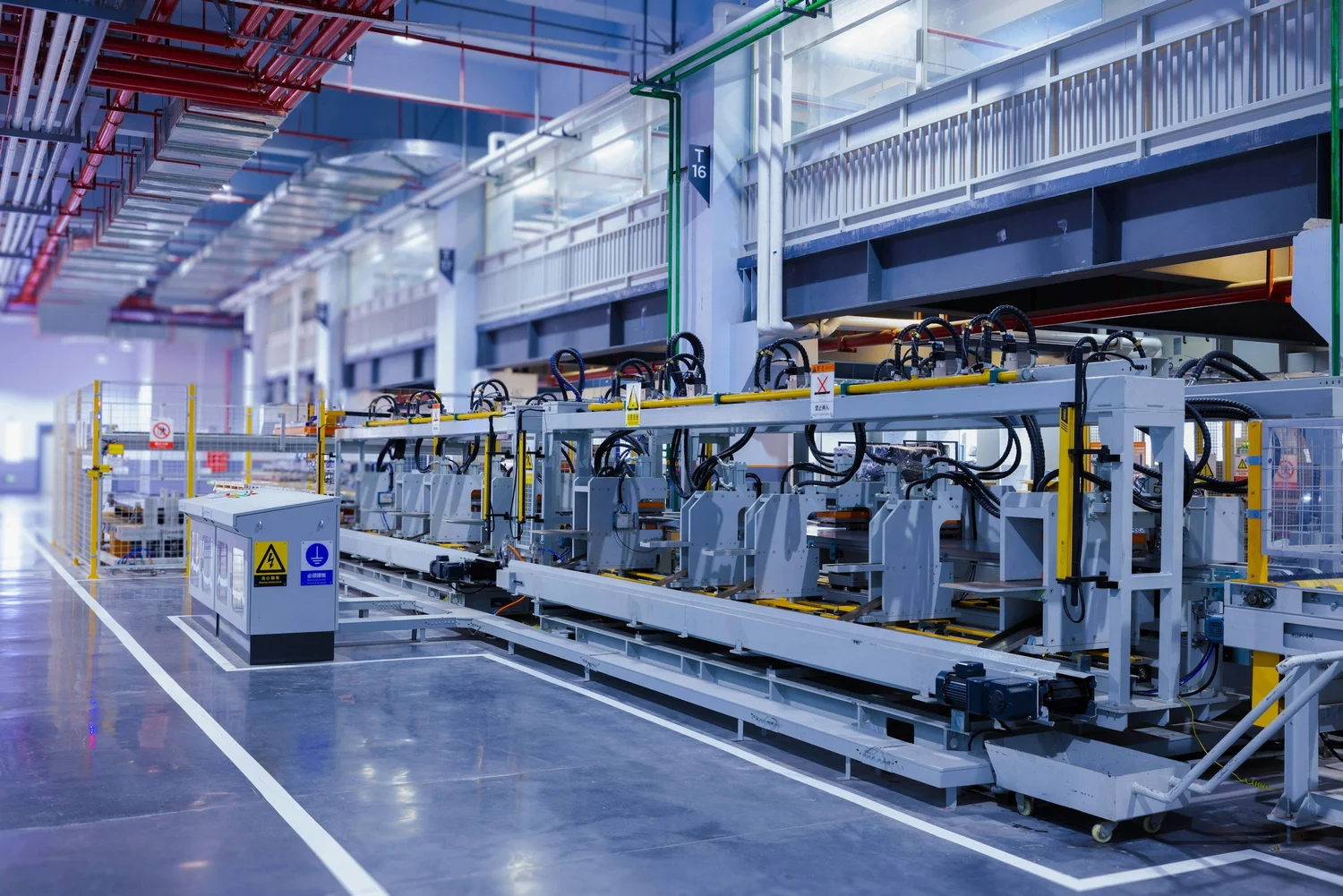
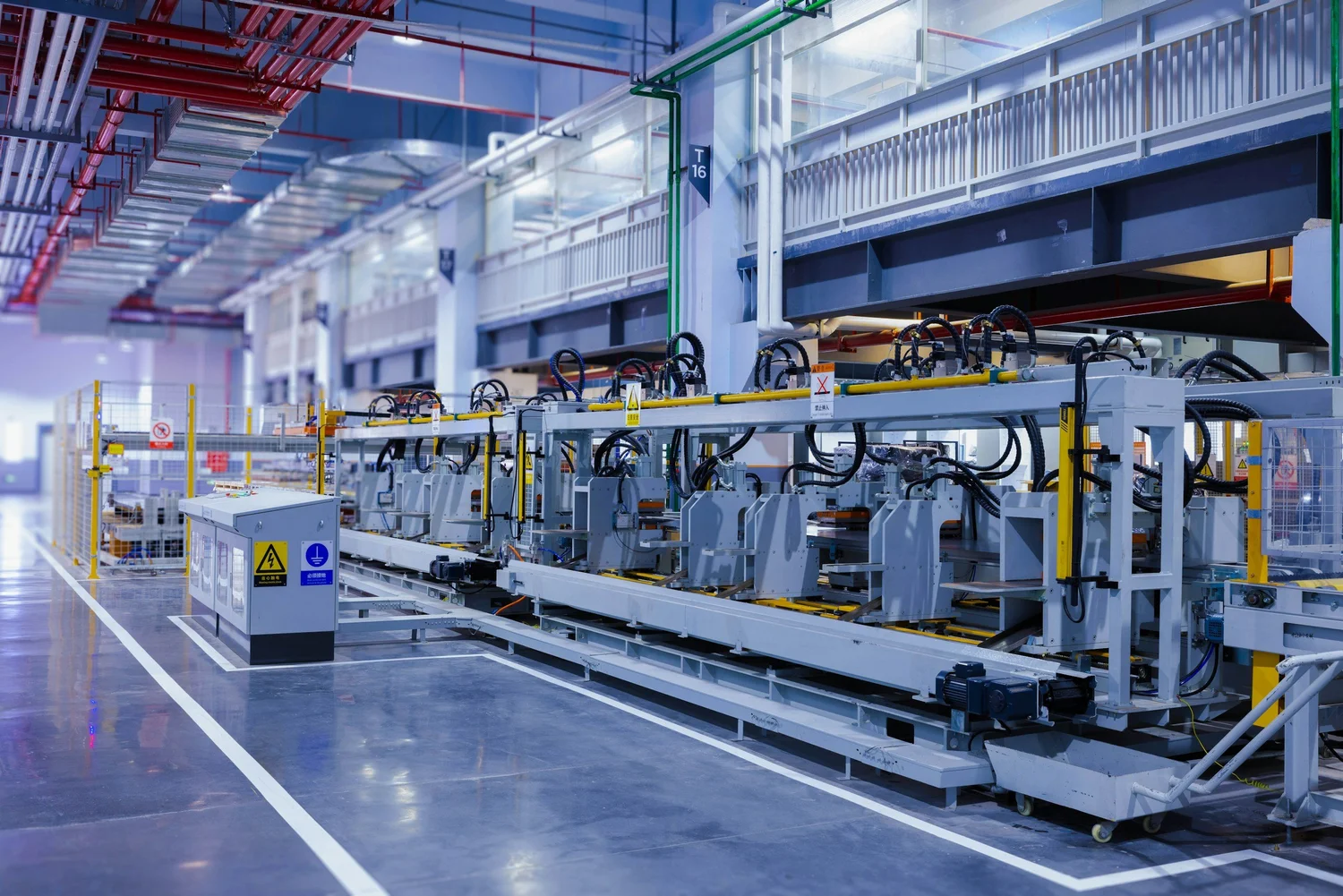
Manufacturing facilities are among the most high-risk work environments in the United States. Heavy machinery, cutting tools, conveyors, presses, forklifts, and automated systems keep production moving, but when something goes wrong, injuries can be severe and immediate.
In manufacturing settings, bleeding emergencies are a serious workplace safety concern. Because emergency medical services (EMS) are rarely on site or less than 90 seconds away, hemorrhage control in manufacturing often begins before paramedics arrive.
Amputations and Severe Injuries in Manufacturing Are More Common Than Many Realize
According to an analysis published by the Economic Policy Institute using OSHA-reported data, an average of 27 U.S. workers each day suffer amputations or injuries requiring hospitalization [1]. A significant portion of these incidents occur in industrial and manufacturing environments where machinery-related trauma is common.
These are not minor workplace injuries. Amputations, crush injuries, and deep lacerations can lead to life-threatening blood loss in minutes. In severe cases, rapid hemorrhage can become fatal before EMS arrives.
The Critical First Minutes After a Manufacturing Injury
When a serious injury occurs on a manufacturing floor:
• A coworker hears or sees the incident
• A supervisor responds
• Someone calls 911
• First aid begins while waiting for EMS
Those first minutes are critical.
Trauma research has shown that approximately 40% of trauma-related deaths are caused by hemorrhage, making uncontrolled bleeding one of the leading and most preventable causes of death following injury [2].
In manufacturing environments, hemorrhage control responsibility often falls on workers with basic safety training — not medical professionals.
Why Standard First Aid May Not Be Enough for Severe Workplace Bleeding
Direct pressure and basic first aid can be effective for minor injuries. However, severe industrial bleeding caused by machinery often requires more advanced bleeding-control tools.
Traditional tourniquets can stop life-threatening extremity bleeding, but they require proper placement and sufficient tightening under stress. In a chaotic manufacturing emergency, that can be difficult.
Additional challenges on manufacturing floors include:
• Protective gloves and gear
• High noise levels
• Visual distractions
• Confined or obstructed spaces
• Stress during equipment shutdown
In these environments, simplicity and reliability matter.
What Effective Bleeding Control in Manufacturing Requires
Workplace bleeding-control solutions must function in real-world industrial conditions. Effective hemorrhage control tools in manufacturing facilities should:
• Be applied quickly
• Require minimal technical training
• Work consistently across different users
• Support immediate action before EMS arrival
Automated bleeding-control technologies are designed to reduce variability by guiding the response process and controlling compression automatically. By simplifying application, these systems help workers act decisively when seconds matter most.
Bleeding Control Is a Critical Manufacturing Safety Priority
Manufacturing safety programs focus heavily on injury prevention, but preparedness is equally important.
Despite strong safety protocols, serious injuries can still occur. Ensuring that manufacturing teams have access to reliable hemorrhage control tools strengthens workplace safety readiness and supports faster emergency response.
In high-risk industrial environments, bleeding control is not just a medical issue it is a manufacturing safety issue.
References
- Economic Policy Institute. (2024). Worker amputations and severe injuries in the United States.
- Goolsby, C., et al. (2016). Prehospital hemorrhage control and public health preparedness.
Disaster Medicine & Public Health Preparedness, 10(2), 274–280.
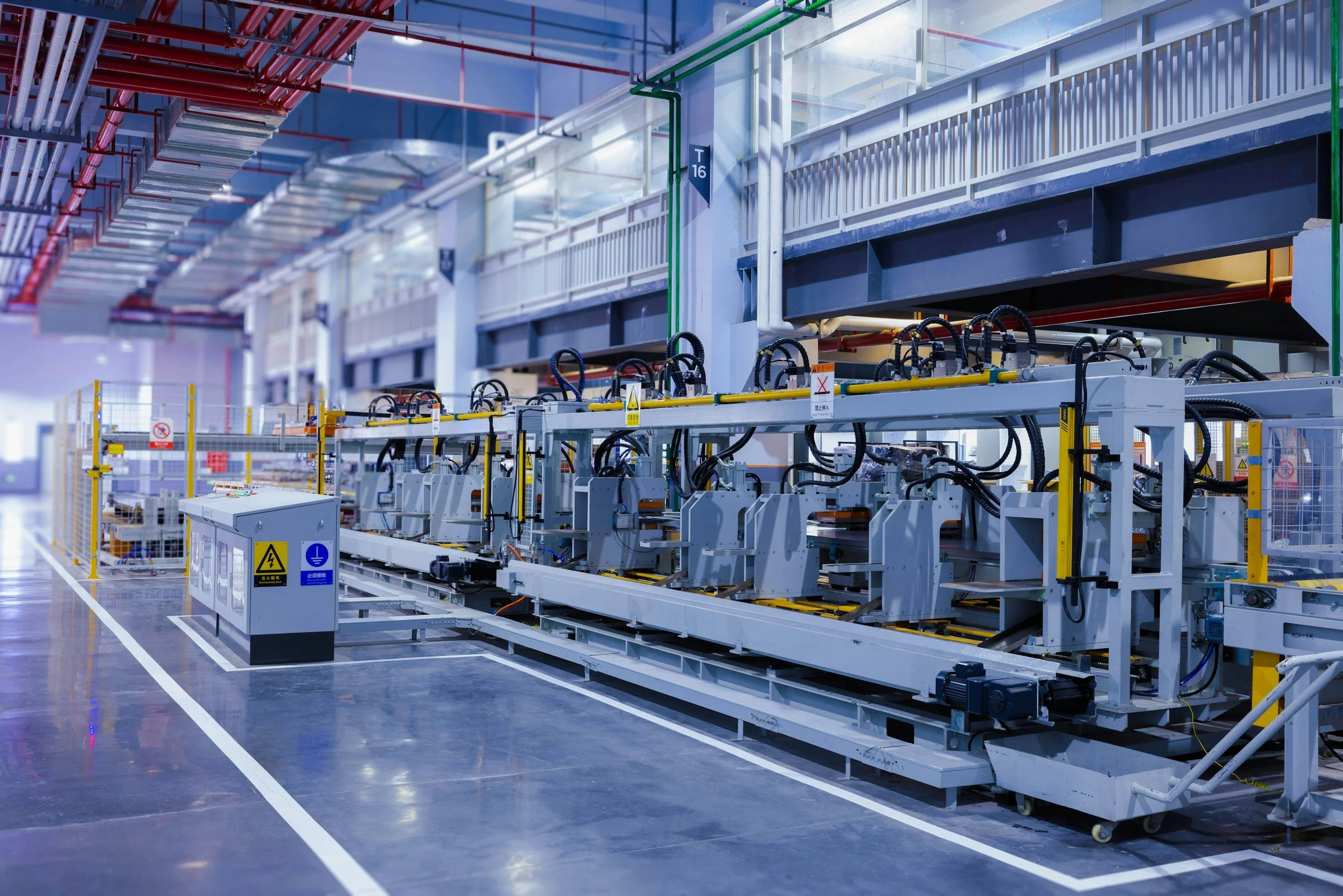
Manufacturing facilities are among the most high-risk work environments in the United States. Heavy machinery, cutting tools, conveyors, presses, forklifts, and automated systems keep production moving, but when something goes wrong, injuries can be severe and immediate.
In manufacturing settings, bleeding emergencies are a serious workplace safety concern. Because emergency medical services (EMS) are rarely on site or less than 90 seconds away, hemorrhage control in manufacturing often begins before paramedics arrive.
Amputations and Severe Injuries in Manufacturing Are More Common Than Many Realize
According to an analysis published by the Economic Policy Institute using OSHA-reported data, an average of 27 U.S. workers each day suffer amputations or injuries requiring hospitalization [1]. A significant portion of these incidents occur in industrial and manufacturing environments where machinery-related trauma is common.
These are not minor workplace injuries. Amputations, crush injuries, and deep lacerations can lead to life-threatening blood loss in minutes. In severe cases, rapid hemorrhage can become fatal before EMS arrives.
The Critical First Minutes After a Manufacturing Injury
When a serious injury occurs on a manufacturing floor:
• A coworker hears or sees the incident
• A supervisor responds
• Someone calls 911
• First aid begins while waiting for EMS
Those first minutes are critical.
Trauma research has shown that approximately 40% of trauma-related deaths are caused by hemorrhage, making uncontrolled bleeding one of the leading and most preventable causes of death following injury [2].
In manufacturing environments, hemorrhage control responsibility often falls on workers with basic safety training — not medical professionals.
Why Standard First Aid May Not Be Enough for Severe Workplace Bleeding
Direct pressure and basic first aid can be effective for minor injuries. However, severe industrial bleeding caused by machinery often requires more advanced bleeding-control tools.
Traditional tourniquets can stop life-threatening extremity bleeding, but they require proper placement and sufficient tightening under stress. In a chaotic manufacturing emergency, that can be difficult.
Additional challenges on manufacturing floors include:
• Protective gloves and gear
• High noise levels
• Visual distractions
• Confined or obstructed spaces
• Stress during equipment shutdown
In these environments, simplicity and reliability matter.
What Effective Bleeding Control in Manufacturing Requires
Workplace bleeding-control solutions must function in real-world industrial conditions. Effective hemorrhage control tools in manufacturing facilities should:
• Be applied quickly
• Require minimal technical training
• Work consistently across different users
• Support immediate action before EMS arrival
Automated bleeding-control technologies are designed to reduce variability by guiding the response process and controlling compression automatically. By simplifying application, these systems help workers act decisively when seconds matter most.
Bleeding Control Is a Critical Manufacturing Safety Priority
Manufacturing safety programs focus heavily on injury prevention, but preparedness is equally important.
Despite strong safety protocols, serious injuries can still occur. Ensuring that manufacturing teams have access to reliable hemorrhage control tools strengthens workplace safety readiness and supports faster emergency response.
In high-risk industrial environments, bleeding control is not just a medical issue it is a manufacturing safety issue.
References
Economic Policy Institute. (2024). Worker amputations and severe injuries in the United States.
Goolsby, C., et al. (2016). Prehospital hemorrhage control and public health preparedness.
Disaster Medicine & Public Health Preparedness, 10(2), 274–280.