Articles
Why Research Matters for Automatic Tourniquets
Hannah Herbst · 3/11/26
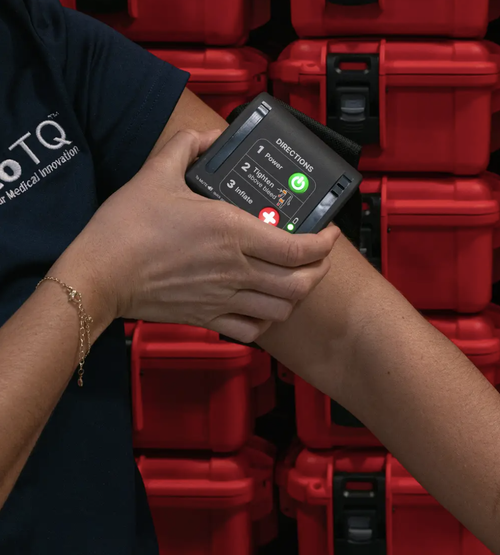
AutoTQ automatic tourniquet device designed for rapid bleeding control and hemorrhage management by trained bystanders

Safety Preparedness Across Transportation Operations
Gabriella Martinez · 2/19/26

Why Schools Need Bleeding Control & Safety Tools: Preparedness That Saves Lives
Hannah Herbst · 2/17/26

What AEDs Taught Us About Emergency Response and Why Bleeding Control Is Evolving
Gabriella Martinez · 2/16/26

Preparedness Behind the Scenes: Safety Readiness in Professional Sports Venues
Gabriella Martinez · 2/16/26
Does a Tourniquet Need to Hurt to Stop the Bleed?
Gabriella Martinez · 2/13/26

Industrial Bleeding Emergencies: A Growing Safety Risk in Manufacturing
Gabriella Martinez · 2/11/26

Why Construction Sites Need Automatic Tourniquets
Gabriella Martinez · 2/4/26
What makes a Tourniquet both Safe and Effective?
Hannah Herbst · 1/30/26
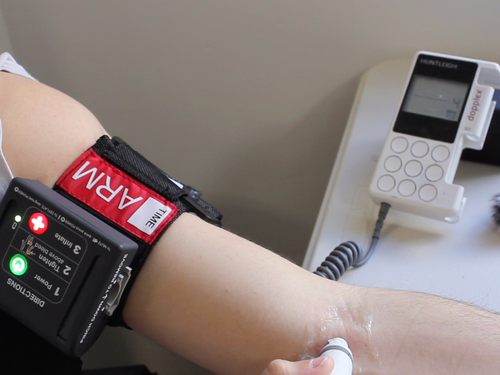
Tourniquets save lives—but only when they apply the right amount of pressure. In this article, AutoTQ inventor Hannah Herbst explains how tourniquet pressure works, why cuff width matters, and how modern pneumatic tourniquets can stop bleeding safely without excessive force.

Forestry and Logging Safety Preparedness in Remote Work Environments
Gabriella Martinez · 1/20/26
Why Research Matters for Automatic Tourniquets
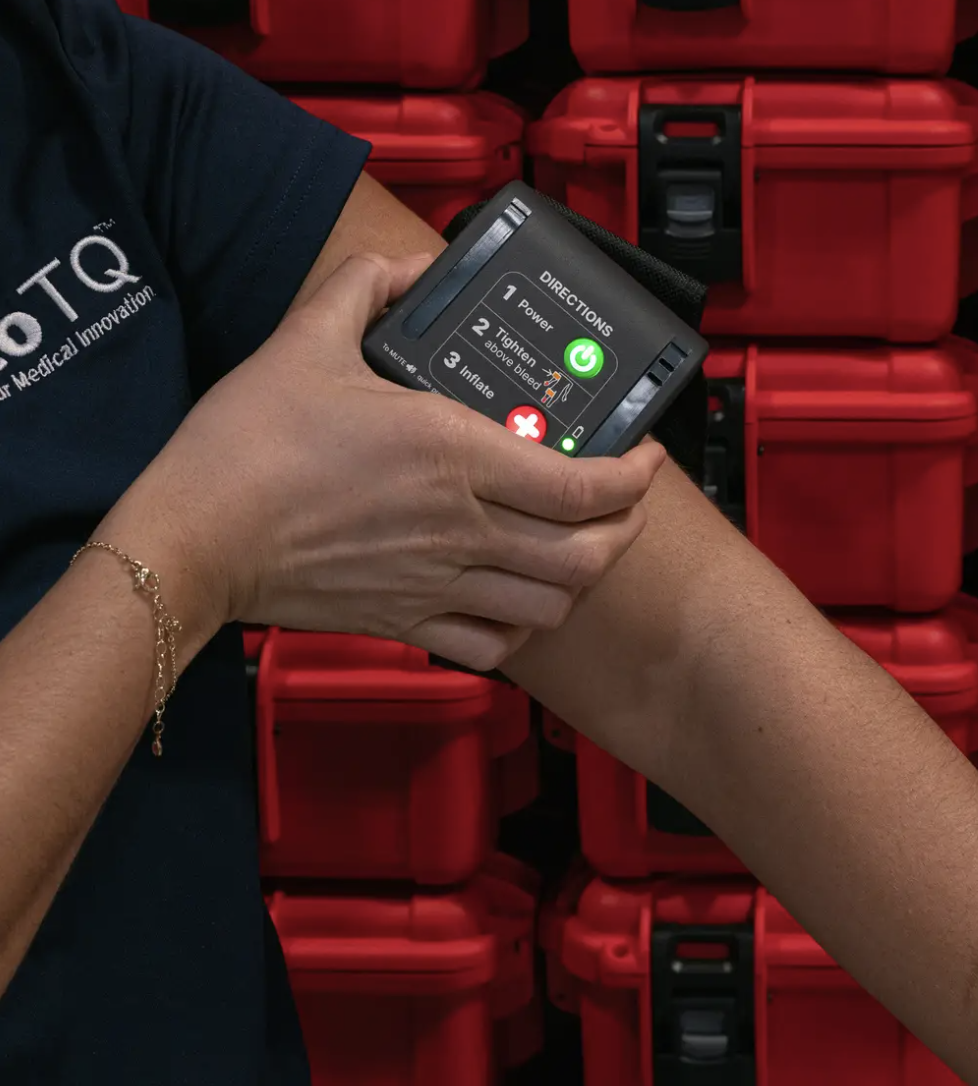
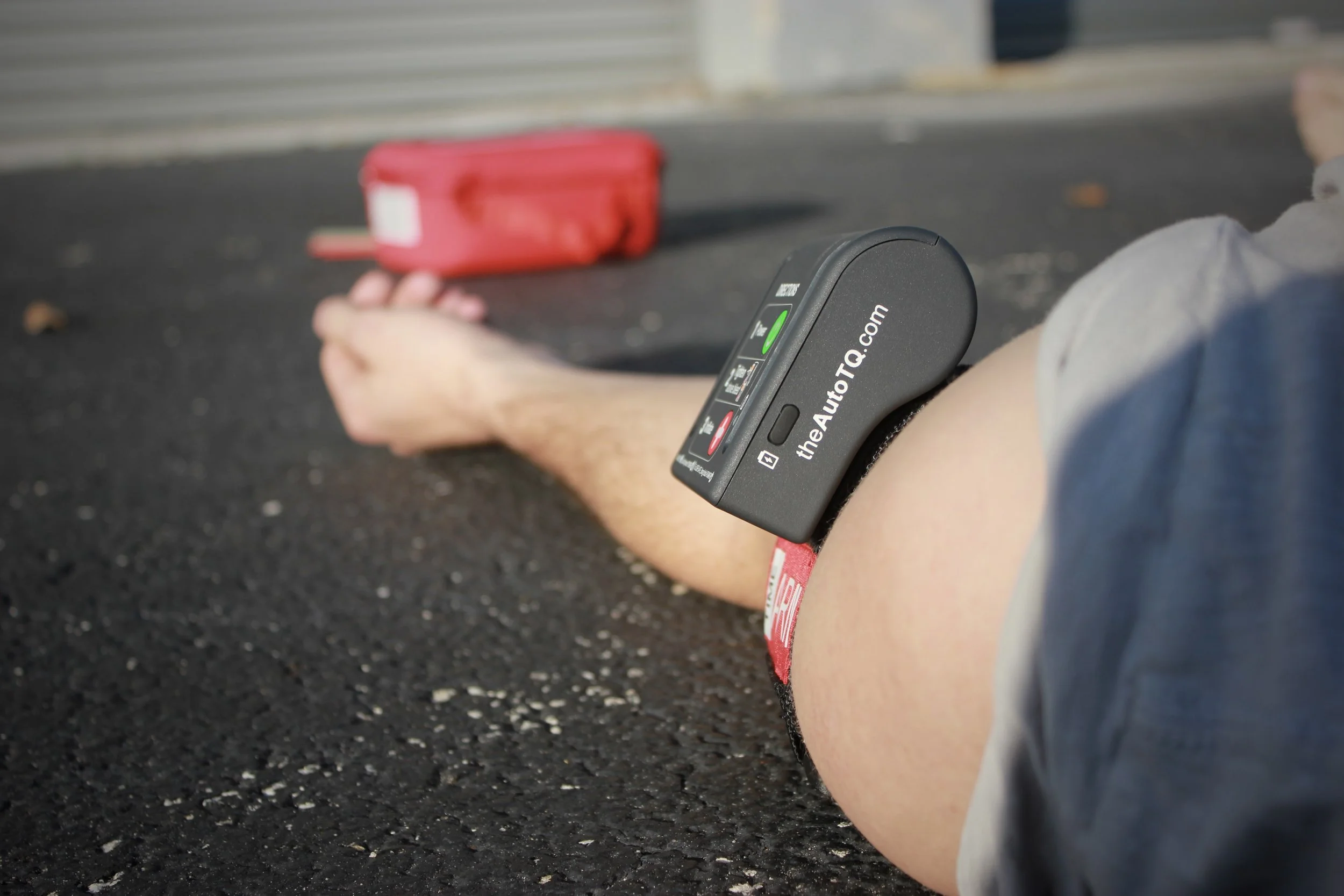
AutoTQ automatic tourniquet device designed for rapid bleeding control and hemorrhage management by trained bystanders






What makes a Tourniquet both Safe and Effective?
Tourniquets save lives—but only when they apply the right amount of pressure. In this article, AutoTQ inventor Hannah Herbst explains how tourniquet pressure works, why cuff width matters, and how modern pneumatic tourniquets can stop bleeding safely without excessive force.
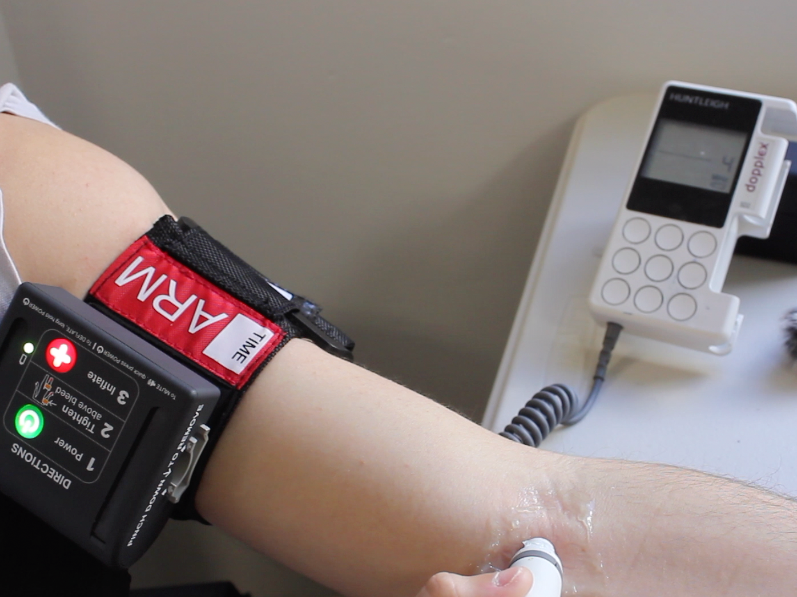
Drawing on decades of peer-reviewed research and real-world testing, Hannah breaks down the differences between windlass and pneumatic tourniquets, explains why wider cuffs require lower effective pressure, and shows how AutoTQ uses controlled, stepped inflation to achieve arterial occlusion—often at or below 300 mmHg.
Using Doppler ultrasound, the clinical gold standard for tourniquet testing, AutoTQ has demonstrated reliable blood-flow occlusion while prioritizing patient safety. Learn how tourniquet pressure is measured, why “tight” doesn’t always mean “effective,” and how thoughtful design can make bleeding control simpler, safer, and more consistent.