

Why Construction Sites Need Automatic Tourniquets
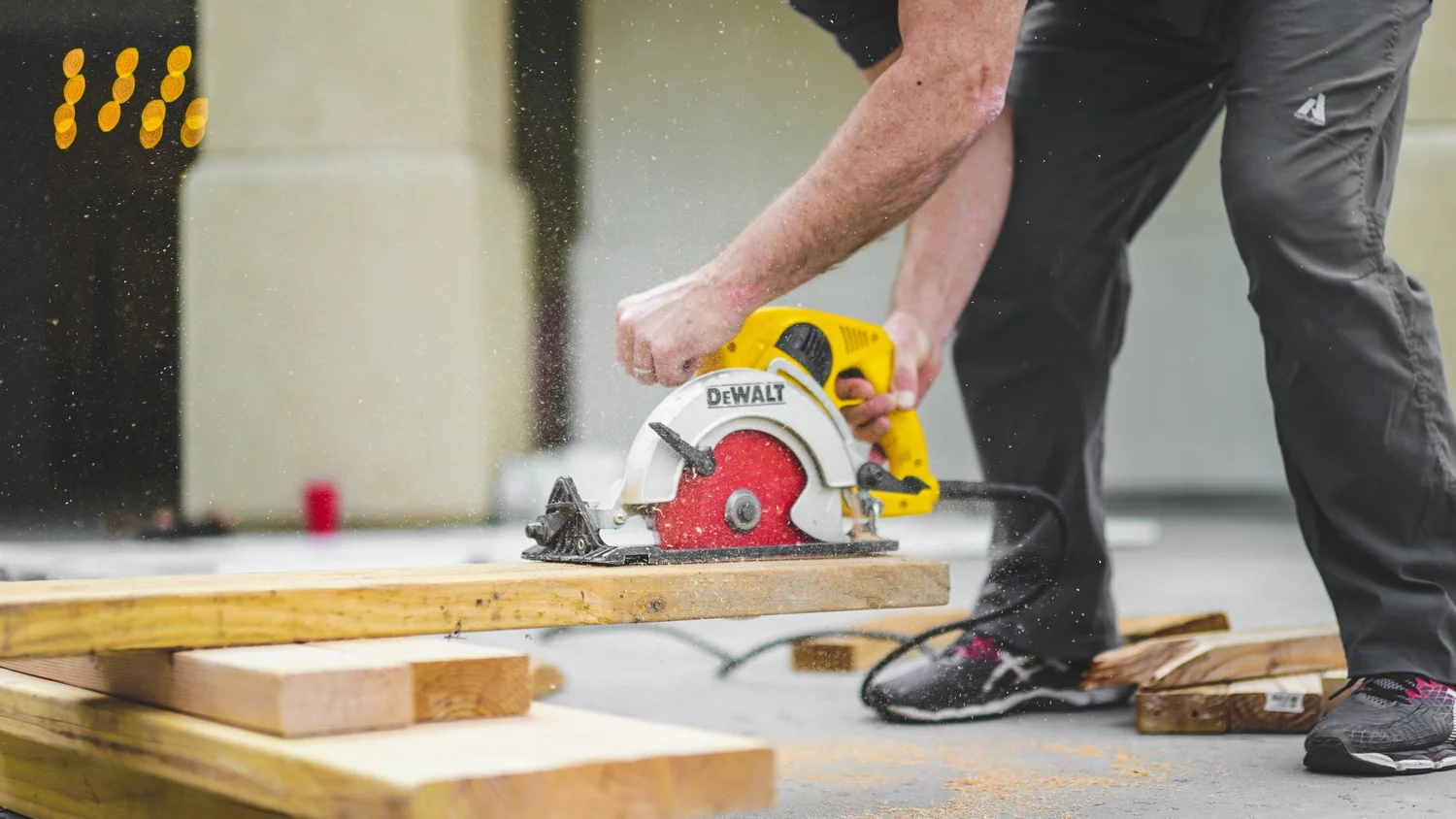
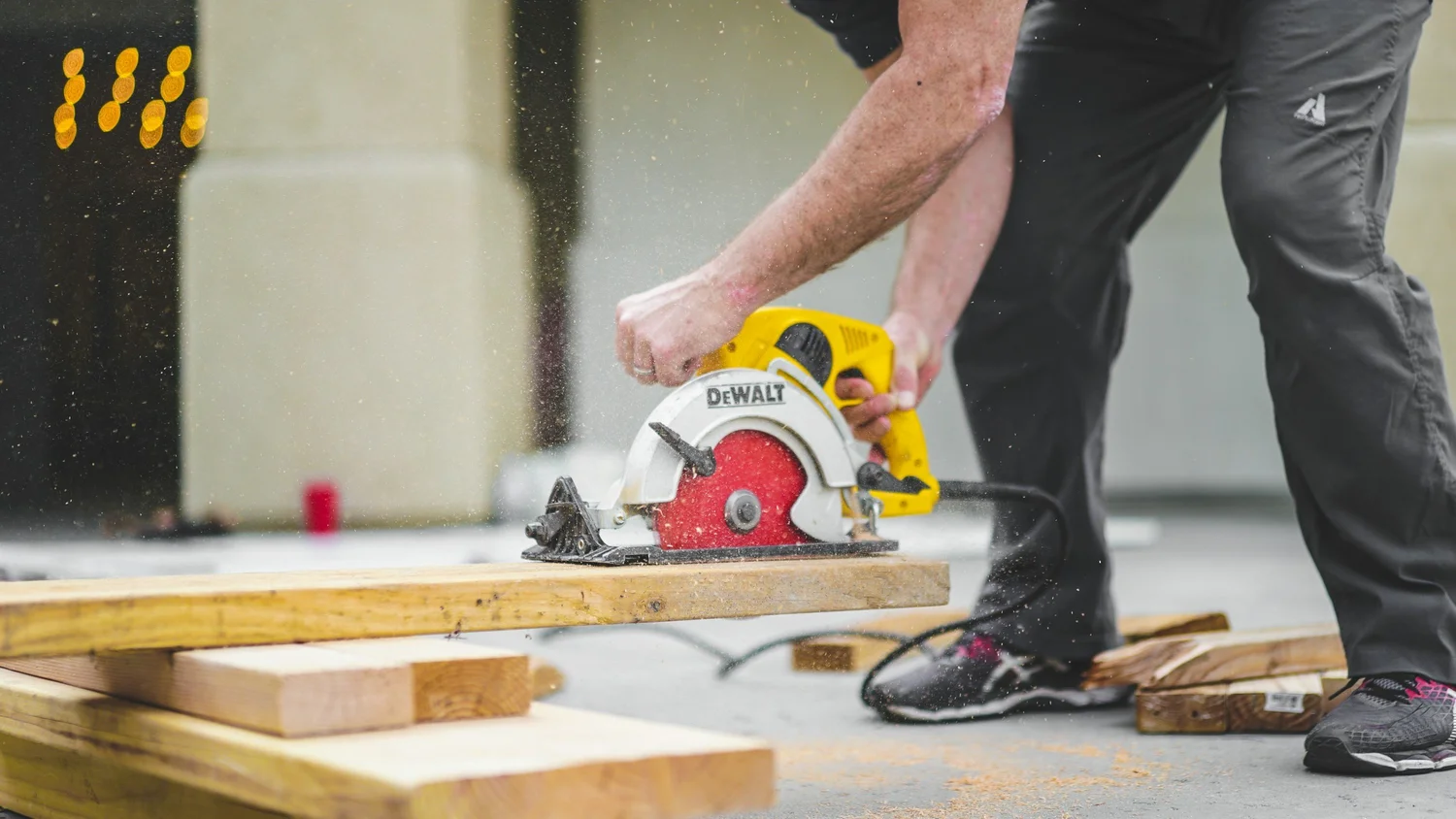
A construction worker uses a saw to cut wood
How Automatic Tourniquets Improve Jobsite Safety
Construction sites are inherently high-risk environments. Heavy equipment, elevated work, sharp materials, and vehicle traffic create constant exposure to serious injury. While personal protective equipment such as hard hats, gloves, and fall protection are standard, one of the most lethal risks on construction sites often receives less attention: life-threatening bleeding.
When a severe injury occurs, the first responder is rarely a paramedic. More often, it is a coworker already on site.
Construction Site Bleeding Is a Leading Cause of Preventable Death in Construction
According to the 2023 Census of Fatal Occupational Injuries published by the Bureau of Labor Statistics, construction remains one of the most hazardous industries in the United States, with many fatalities resulting from workplace bleeding emergencies involving equipment, vehicles, and machinery [1]. In 2023 alone, construction accounted for 1,075 fatal work injuries, more than any other major private industry sector.
The risk is not limited to fatalities. Analysis published by the Economic Policy Institute, drawing on OSHA severe injury data, shows that thousands of workers experience job-related amputations and other catastrophic extremity injuries each year across construction and industrial sectors, many of which involve life-threatening blood loss [3].
Forklift-related incidents alone account for tens of thousands of injuries annually, many involving crushing trauma or limb injuries, according to the National Safety Council’s 2023 Forklift Injury Report [2]. These events are time-critical. Once a major blood vessel is compromised, a person can bleed to death in seconds without immediate intervention.
The Reality of Emergency Response on Job Sites
On large construction projects, especially those that are geographically expansive or remote, emergency medical services may face delayed access due to distance, terrain, or site logistics. During this gap, outcomes are determined on site.
Studies published in Disaster Medicine & Public Health Preparedness show that bleeding out accounts for roughly 40% of trauma-related deaths, highlighting how quickly uncontrolled bleeding can become fatal when care is delayed [4]. In construction environments, this means that the actions taken by coworkers in the first few minutes are often very decisive.
Why Traditional Tourniquets are Not Sufficient for Real-World Conditions
Manual windlass tourniquets have long been considered the standard for hemorrhage control. However, multiple studies show that when applied by infrequently trained individuals, failure rates are between 78 and 84 percent, most commonly due to incorrect placement or insufficient tightening [9-11].
Research published in Human Factors examining emergency response performance found that both laypeople and professional responders experience increased stress and workload during simulated emergency tasks, even after receiving instruction on tourniquet use.
Research published in Human Factors looked at how people perform lifesaving tasks under stress. The study found that both everyday individuals and trained professionals experienced higher stress and mental workload during simulated emergency situations, even after being taught how to use a tourniquet [5].
While participants were generally able to apply a tourniquet correctly, stress still made emergency tasks more demanding overall. These findings highlight the importance of tools that are easy to use and reliable in high-pressure situations [5]. On construction sites, added challenges such as noise, weather, fatigue, and urgency can further increase stress, making intuitive bleeding solutions to stop the bleed in construction especially important.
What the Data Shows About Automatic Bleeding Control
Recent usability and performance data provide important insight into how automatic tourniquet solutions that comply with OSHA bleeding control requirements and ANSI tourniquet standards can improve emergency response outcomes on job sites.
First-time AutoTQ users successfully applied the device with a 92% percent success rate and an average application time of approximately 15 seconds [8]. 100% success was achieved after brief guidance was given. Performance testing described in the study shows that AutoTQ achieved complete vascular occlusion across both upper and lower extremities, confirmed using Doppler ultrasound.
Clinical reviews of tourniquet use in upper limb trauma note that excessive pressure can contribute to nerve and soft tissue injury, reinforcing the importance of controlled pressure application and wide tourniquet cuffs like AutoTQ’s during hemorrhage management [6].
In construction environments, this combination of rapid application, reliable occlusion, and pressure control supports effective bleeding response even when medical professionals are not immediately available.
Construction Safety Programs Must Address the Most Lethal Risks
Modern construction safety programs increasingly recognize that advanced tools must go beyond impact and fall protection. Severe bleeding is one of the fastest pathways from injury to fatality, yet it is also one of the most preventable causes of death when addressed immediately.
Automated bleeding-control devices help standardize emergency response by removing guesswork and reducing variability. Rather than relying on precise manual technique under stress, these systems deliver controlled pressure automatically, supporting more reliable outcomes during critical moments.
Compliance, Risk, and Financial Impact
Severe injuries involving amputations, hospitalizations, or major blood loss often trigger investigations, work stoppages, and regulatory scrutiny. OSHA’s Severe Injury Reports document the frequency of these incidents across construction and industrial worksites, highlighting the number of employer-reported hospitalization and amputation cases each year [7].
Beyond regulatory exposure, these incidents carry long-term human and financial consequences, including lost productivity, permanent disability, and lasting effects on psychological wellbeing [12].
Building Safer Construction Sites
Bleeding emergencies are not rare in construction. They are an inherent risk of high-energy, high-hazard work environments. The difference between life and death often comes down to what happens in the first few minutes.
By integrating advanced bleeding-control solutions into emergency preparedness programs, construction leaders can empower workers to act decisively, protect their teams, and strengthen job-site resilience.
Because when an emergency happens, the most important responder is already there.
References
- Bureau of Labor Statistics. (2023). Census of Fatal Occupational Injuries. U.S. Department of Labor.
- National Safety Council. (2023). Forklift Injury Report.
- Economic Policy Institute. (2023). An average of 27 workers a day suffer amputation or hospitalization, according to OSHA data.
- Goolsby, C., et al. (2016). Prehospital hemorrhage control and public health preparedness. Disaster Medicine & Public Health Preparedness, 10(2), 274–280.
- Friberg, M., Jonson, C.-O., Jaeger, V., & Prytz, E. (2021). The effects of stress on tourniquet application and CPR performance in layperson and professional civilian populations. Human Factors, 65(3), 495–507.
- Oragui, E., et al. (2010). Management of severe upper limb trauma. HAND, 6(2), 165–173.
- Occupational Safety and Health Administration. (2023). Severe Injury Reports.
- Golden Hour Medical. (2024). AutoTQ Human Occlusion and Usability Study.
- Journal of Emergency Medicine, Ross and Mapp et al., 2018;
- Academic Emergency Medicine, Goolsby and Branting et al., 2015;
- Journal of the American College of Surgeons Goolsby and Johnson et al., 2023
- Journal of Anxiety Disorders, Asmundson, 1998
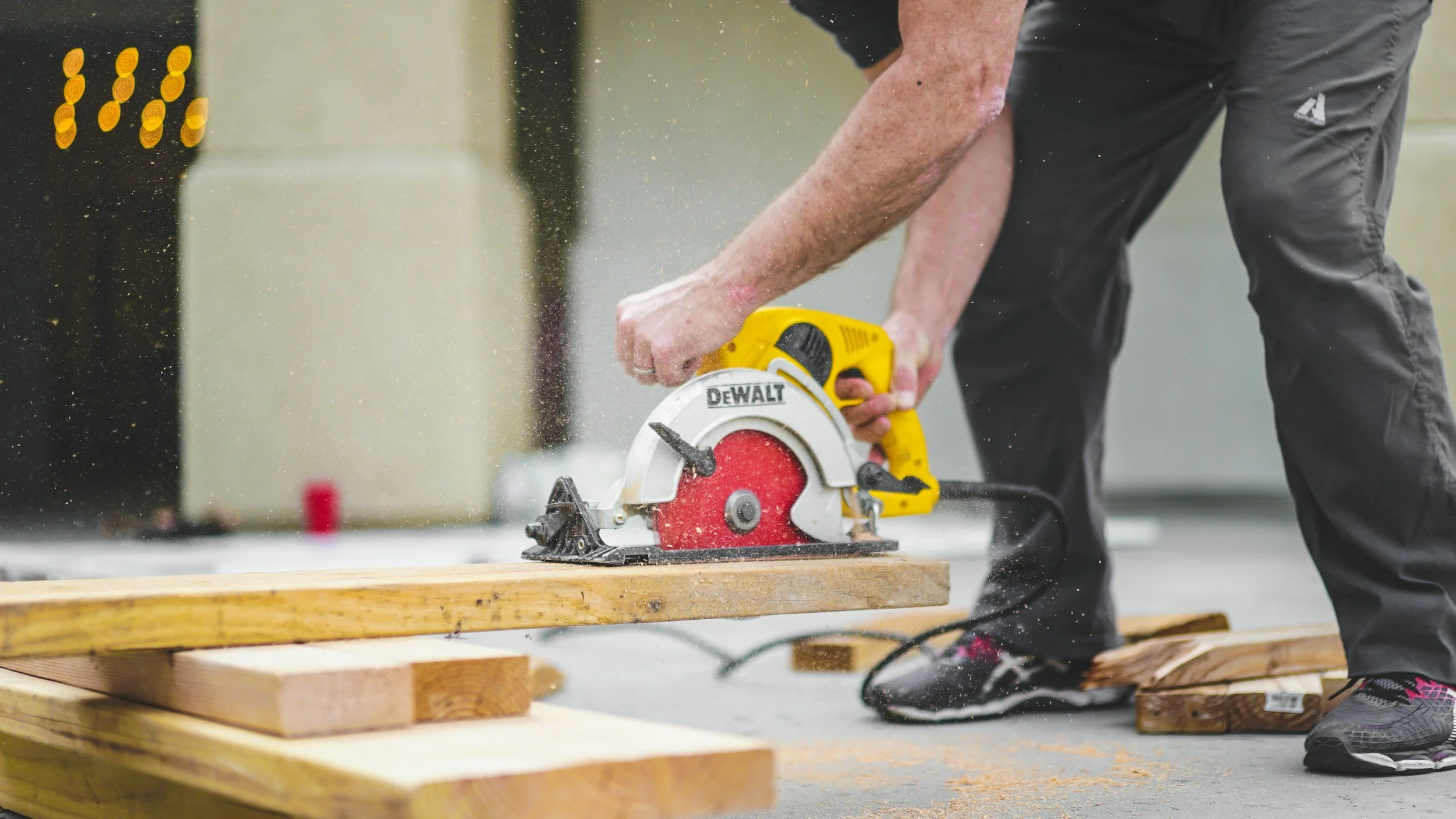
A construction worker uses a saw to cut wood
How Automatic Tourniquets Improve Jobsite Safety
Construction sites are inherently high-risk environments. Heavy equipment, elevated work, sharp materials, and vehicle traffic create constant exposure to serious injury. While personal protective equipment such as hard hats, gloves, and fall protection are standard, one of the most lethal risks on construction sites often receives less attention: life-threatening bleeding.
When a severe injury occurs, the first responder is rarely a paramedic. More often, it is a coworker already on site.
Construction Site Bleeding Is a Leading Cause of Preventable Death in Construction
According to the 2023 Census of Fatal Occupational Injuries published by the Bureau of Labor Statistics, construction remains one of the most hazardous industries in the United States, with many fatalities resulting from workplace bleeding emergencies involving equipment, vehicles, and machinery [1]. In 2023 alone, construction accounted for 1,075 fatal work injuries, more than any other major private industry sector.
The risk is not limited to fatalities. Analysis published by the Economic Policy Institute, drawing on OSHA severe injury data, shows that thousands of workers experience job-related amputations and other catastrophic extremity injuries each year across construction and industrial sectors, many of which involve life-threatening blood loss [3].
Forklift-related incidents alone account for tens of thousands of injuries annually, many involving crushing trauma or limb injuries, according to the National Safety Council’s 2023 Forklift Injury Report [2]. These events are time-critical. Once a major blood vessel is compromised, a person can bleed to death in seconds without immediate intervention.
The Reality of Emergency Response on Job Sites
On large construction projects, especially those that are geographically expansive or remote, emergency medical services may face delayed access due to distance, terrain, or site logistics. During this gap, outcomes are determined on site.
Studies published in Disaster Medicine & Public Health Preparedness show that bleeding out accounts for roughly 40% of trauma-related deaths, highlighting how quickly uncontrolled bleeding can become fatal when care is delayed [4]. In construction environments, this means that the actions taken by coworkers in the first few minutes are often very decisive.
Why Traditional Tourniquets are Not Sufficient for Real-World Conditions
Manual windlass tourniquets have long been considered the standard for hemorrhage control. However, multiple studies show that when applied by infrequently trained individuals, failure rates are between 78 and 84 percent, most commonly due to incorrect placement or insufficient tightening [9-11].
Research published in Human Factors examining emergency response performance found that both laypeople and professional responders experience increased stress and workload during simulated emergency tasks, even after receiving instruction on tourniquet use.
Research published in Human Factors looked at how people perform lifesaving tasks under stress. The study found that both everyday individuals and trained professionals experienced higher stress and mental workload during simulated emergency situations, even after being taught how to use a tourniquet [5].
While participants were generally able to apply a tourniquet correctly, stress still made emergency tasks more demanding overall. These findings highlight the importance of tools that are easy to use and reliable in high-pressure situations [5]. On construction sites, added challenges such as noise, weather, fatigue, and urgency can further increase stress, making intuitive bleeding solutions to stop the bleed in construction especially important.
What the Data Shows About Automatic Bleeding Control
Recent usability and performance data provide important insight into how automatic tourniquet solutions that comply with OSHA bleeding control requirements and ANSI tourniquet standards can improve emergency response outcomes on job sites.
First-time AutoTQ users successfully applied the device with a 92% percent success rate and an average application time of approximately 15 seconds [8]. 100% success was achieved after brief guidance was given. Performance testing described in the study shows that AutoTQ achieved complete vascular occlusion across both upper and lower extremities, confirmed using Doppler ultrasound.
Clinical reviews of tourniquet use in upper limb trauma note that excessive pressure can contribute to nerve and soft tissue injury, reinforcing the importance of controlled pressure application and wide tourniquet cuffs like AutoTQ’s during hemorrhage management [6].
In construction environments, this combination of rapid application, reliable occlusion, and pressure control supports effective bleeding response even when medical professionals are not immediately available.
Construction Safety Programs Must Address the Most Lethal Risks
Modern construction safety programs increasingly recognize that advanced tools must go beyond impact and fall protection. Severe bleeding is one of the fastest pathways from injury to fatality, yet it is also one of the most preventable causes of death when addressed immediately.
Automated bleeding-control devices help standardize emergency response by removing guesswork and reducing variability. Rather than relying on precise manual technique under stress, these systems deliver controlled pressure automatically, supporting more reliable outcomes during critical moments.
Compliance, Risk, and Financial Impact
Severe injuries involving amputations, hospitalizations, or major blood loss often trigger investigations, work stoppages, and regulatory scrutiny. OSHA’s Severe Injury Reports document the frequency of these incidents across construction and industrial worksites, highlighting the number of employer-reported hospitalization and amputation cases each year [7].
Beyond regulatory exposure, these incidents carry long-term human and financial consequences, including lost productivity, permanent disability, and lasting effects on psychological wellbeing [12].
Building Safer Construction Sites
Bleeding emergencies are not rare in construction. They are an inherent risk of high-energy, high-hazard work environments. The difference between life and death often comes down to what happens in the first few minutes.
By integrating advanced bleeding-control solutions into emergency preparedness programs, construction leaders can empower workers to act decisively, protect their teams, and strengthen job-site resilience.
Because when an emergency happens, the most important responder is already there.
References
Bureau of Labor Statistics. (2023). Census of Fatal Occupational Injuries. U.S. Department of Labor.
National Safety Council. (2023). Forklift Injury Report.
Economic Policy Institute. (2023). An average of 27 workers a day suffer amputation or hospitalization, according to OSHA data.
Goolsby, C., et al. (2016). Prehospital hemorrhage control and public health preparedness. Disaster Medicine & Public Health Preparedness, 10(2), 274–280.
Friberg, M., Jonson, C.-O., Jaeger, V., & Prytz, E. (2021). The effects of stress on tourniquet application and CPR performance in layperson and professional civilian populations. Human Factors, 65(3), 495–507.
Oragui, E., et al. (2010). Management of severe upper limb trauma. HAND, 6(2), 165–173.
Occupational Safety and Health Administration. (2023). Severe Injury Reports.
Golden Hour Medical. (2024). AutoTQ Human Occlusion and Usability Study.
Journal of Emergency Medicine, Ross and Mapp et al., 2018;
Academic Emergency Medicine, Goolsby and Branting et al., 2015;
Journal of the American College of Surgeons Goolsby and Johnson et al., 2023
Journal of Anxiety Disorders, Asmundson, 1998