
Does a Tourniquet Need to Hurt to Stop the Bleed?

Does a Tourniquet Need to Hurt to Stop the Bleed?
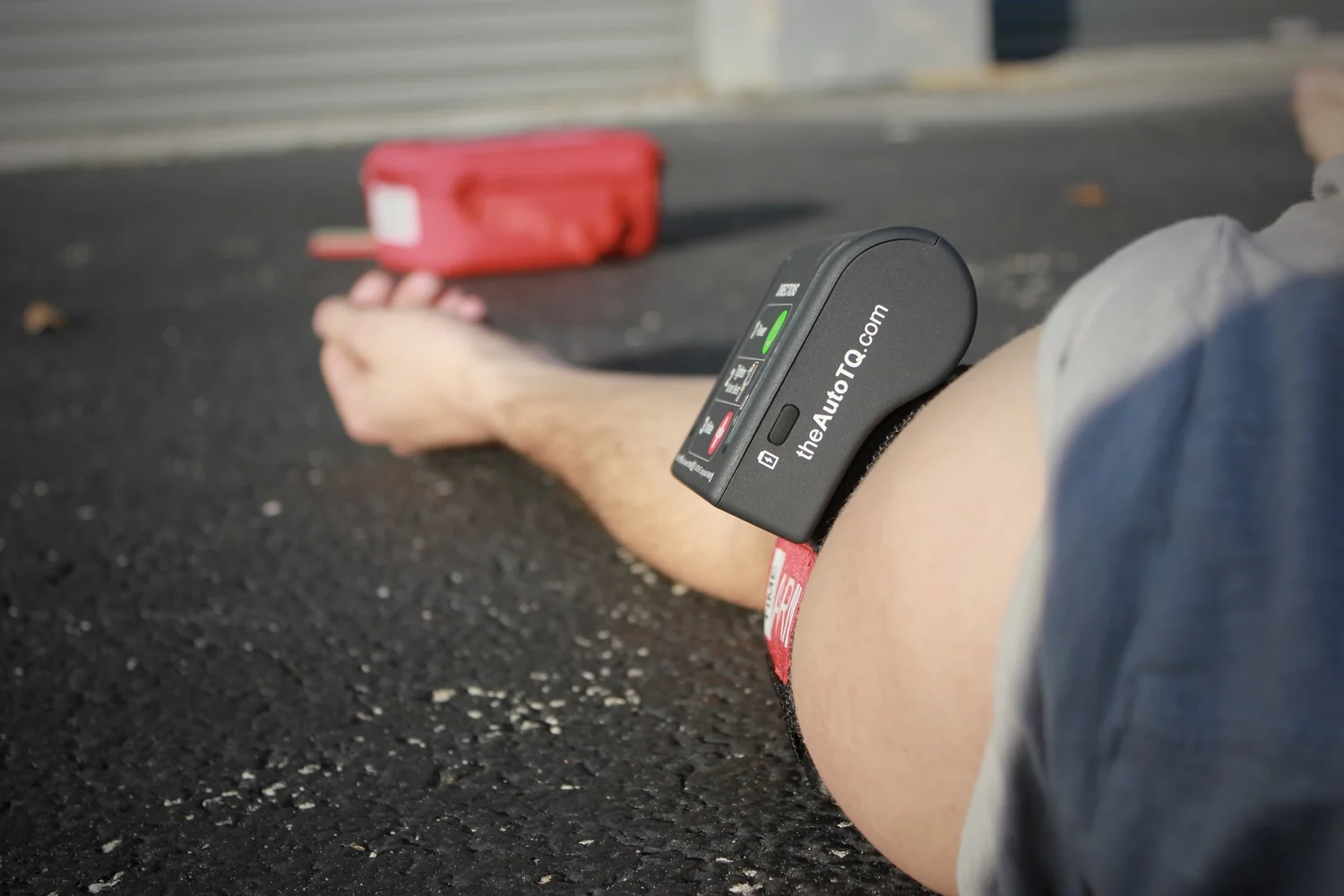
“If it doesn’t hurt, it isn’t working.”
This phrase has been repeated for decades in emergency medicine and public safety training, reinforcing the idea that extreme pain is a necessary indicator of tourniquet effectiveness. Many people have come to accept that stopping life-threatening bleeding requires crushing force and severe discomfort.
But pain and bleeding control are not the same thing.
According to physics and physiology, they never were.
What a Tourniquet Is Actually Designed to Do
A tourniquet has one primary purpose: to compress an artery enough to stop blood flow. However, arteries are not the only structures affected when pressure is applied around a limb. Beneath the tourniquet line are nerves, muscles, and connective tissue, all of which respond differently to force.
Nerves are especially sensitive to pressure. When force is applied unevenly or too aggressively, nerves can be compressed long before the artery is fully occluded. This often results in intense pain that may occur before bleeding is actually controlled, creating the false impression that pain itself is evidence of effectiveness (theautotq.com/outsideresearch).
What Research Shows About Pressure and Pain
Research into tourniquet physiology has consistently shown that how pressure is distributed matters just as much as how much pressure is applied. Work by Dr. James McEwen and Dr. Masari has helped clarify the role of pressure gradients in bleeding control and nerve compression.
Their research demonstrates that narrow tourniquet designs create steep pressure gradients, concentrating force into a small surface area. This concentrated “pinching” effect dramatically increases localized pressure on nerves and soft tissue, often producing sharp pain before arterial occlusion has even been achieved (theautotq.com/research ; theautotq.com/outsideresearch).
This helps explain a common experience with traditional tourniquets: significant pain occurs early in application, even while blood flow continues.
Why Narrow Tourniquets Require Higher Pressure
Studies examining cuff width and arterial occlusion show that narrow tourniquet straps require substantially higher pressure to stop blood flow compared to wider designs. Because force is applied over a smaller area, higher pressures are needed to reach and compress the artery, which simultaneously increases the risk of nerve compression and tissue trauma (theautotq.com/outsideresearch).
Dr. McEwen’s work further shows that wider tourniquet cuffs reduce the peak pressure required for occlusion by distributing force more evenly around the limb. This allows arterial compression to occur at lower overall pressures, reducing unnecessary nerve injury and pain (theautotq.com/research).
Why Pneumatic Systems Behave Differently
Pneumatic tourniquet systems, commonly used in orthopedic surgery, apply pressure using air rather than mechanical tightening. Instead of pinching tissue at a single line, pneumatic cuffs create a uniform circumferential squeeze, often with a significantly wider cuff.
This design allows pressure to reach deep enough to control blood flow while minimizing excessive compression of superficial nerves. Multiple studies show that pneumatic and wider cuff systems are associated with lower pain levels and reduced nerve trauma while still achieving reliable arterial occlusion (theautotq.com/outsideresearch).
How AutoTQ Applies These Principles
AutoTQ was developed by analyzing decades of tourniquet research and applying established biomechanical principles to emergency bleeding control.
Rather than relying on narrow straps and manual tightening, AutoTQ uses wide pneumatic cuffs designed to distribute pressure more evenly:
Arm cuff: approximately 3 inches (7.62 cm) wide
Leg cuff: approximately 4 inches (10.16 cm) wide
This design allows AutoTQ to target the pressure required for arterial occlusion without introducing unnecessary force that contributes to extreme pain and nerve injury (theautotq.com/research).
Rethinking the Pain Myth
A tourniquet will never be completely painless. It intentionally restricts blood flow, and some discomfort is expected. However, the belief that a tourniquet must be agonizing to be effective is a misconception rooted in older designs, not medical necessity.
Modern research shows that effective bleeding control depends on proper pressure distribution, not excessive force. Pain is often a byproduct of poor pressure mechanics rather than an indicator of successful arterial occlusion (theautotq.com/outsideresearch).
Stopping the Bleed Smarter
Advances in tourniquet design demonstrate that it is possible to stop life-threatening bleeding while reducing unnecessary trauma. By applying pressure more intelligently, bleeding can be controlled reliably without relying on extreme pain as a signal of success.
Bleeding control has evolved, and understanding the science behind tourniquet physiology helps ensure that emergency tools are designed for both effectiveness and safety.
For a deeper review of the studies referenced here, visit theautotq.com/research and theautotq.com/outsideresearch.
References
4. McEwen, J. et al. Studies on Tourniquet Pressure, Cuff Width, and Occlusion Dynamics theautotq.com/outsideresearch
5. Masari et al. Analysis of Pressure Gradients and Nerve Compression in Tourniquet Use theautotq.com/outsideresearch
6. Comparative Studies on Pneumatic vs. Mechanical Tourniquet Systems theautotq.com/outsideresearch
“If it doesn’t hurt, it isn’t working.”
This phrase has been repeated for decades in emergency medicine and public safety training, reinforcing the idea that extreme pain is a necessary indicator of tourniquet effectiveness. Many people have come to accept that stopping life-threatening bleeding requires crushing force and severe discomfort.
But pain and bleeding control are not the same thing.
According to physics and physiology, they never were.
What a Tourniquet Is Actually Designed to Do
A tourniquet has one primary purpose: to compress an artery enough to stop blood flow. However, arteries are not the only structures affected when pressure is applied around a limb. Beneath the tourniquet line are nerves, muscles, and connective tissue, all of which respond differently to force.
Nerves are especially sensitive to pressure. When force is applied unevenly or too aggressively, nerves can be compressed long before the artery is fully occluded. This often results in intense pain that may occur before bleeding is actually controlled, creating the false impression that pain itself is evidence of effectiveness (theautotq.com/outsideresearch).
What Research Shows About Pressure and Pain
Research into tourniquet physiology has consistently shown that how pressure is distributed matters just as much as how much pressure is applied. Work by Dr. James McEwen and Dr. Masari has helped clarify the role of pressure gradients in bleeding control and nerve compression.
Their research demonstrates that narrow tourniquet designs create steep pressure gradients, concentrating force into a small surface area. This concentrated “pinching” effect dramatically increases localized pressure on nerves and soft tissue, often producing sharp pain before arterial occlusion has even been achieved (theautotq.com/research ; theautotq.com/outsideresearch).
This helps explain a common experience with traditional tourniquets: significant pain occurs early in application, even while blood flow continues.
Why Narrow Tourniquets Require Higher Pressure
Studies examining cuff width and arterial occlusion show that narrow tourniquet straps require substantially higher pressure to stop blood flow compared to wider designs. Because force is applied over a smaller area, higher pressures are needed to reach and compress the artery, which simultaneously increases the risk of nerve compression and tissue trauma (theautotq.com/outsideresearch).
Dr. McEwen’s work further shows that wider tourniquet cuffs reduce the peak pressure required for occlusion by distributing force more evenly around the limb. This allows arterial compression to occur at lower overall pressures, reducing unnecessary nerve injury and pain (theautotq.com/research).
Why Pneumatic Systems Behave Differently
Pneumatic tourniquet systems, commonly used in orthopedic surgery, apply pressure using air rather than mechanical tightening. Instead of pinching tissue at a single line, pneumatic cuffs create a uniform circumferential squeeze, often with a significantly wider cuff.
This design allows pressure to reach deep enough to control blood flow while minimizing excessive compression of superficial nerves. Multiple studies show that pneumatic and wider cuff systems are associated with lower pain levels and reduced nerve trauma while still achieving reliable arterial occlusion (theautotq.com/outsideresearch).
How AutoTQ Applies These Principles
AutoTQ was developed by analyzing decades of tourniquet research and applying established biomechanical principles to emergency bleeding control.
Rather than relying on narrow straps and manual tightening, AutoTQ uses wide pneumatic cuffs designed to distribute pressure more evenly:
Arm cuff: approximately 3 inches (7.62 cm) wide
Leg cuff: approximately 4 inches (10.16 cm) wide
This design allows AutoTQ to target the pressure required for arterial occlusion without introducing unnecessary force that contributes to extreme pain and nerve injury (theautotq.com/research).
Rethinking the Pain Myth
A tourniquet will never be completely painless. It intentionally restricts blood flow, and some discomfort is expected. However, the belief that a tourniquet must be agonizing to be effective is a misconception rooted in older designs, not medical necessity.
Modern research shows that effective bleeding control depends on proper pressure distribution, not excessive force. Pain is often a byproduct of poor pressure mechanics rather than an indicator of successful arterial occlusion (theautotq.com/outsideresearch).
Stopping the Bleed Smarter
Advances in tourniquet design demonstrate that it is possible to stop life-threatening bleeding while reducing unnecessary trauma. By applying pressure more intelligently, bleeding can be controlled reliably without relying on extreme pain as a signal of success.
Bleeding control has evolved, and understanding the science behind tourniquet physiology helps ensure that emergency tools are designed for both effectiveness and safety.
For a deeper review of the studies referenced here, visit theautotq.com/research and theautotq.com/outsideresearch.
References
4. McEwen, J. et al. Studies on Tourniquet Pressure, Cuff Width, and Occlusion Dynamics theautotq.com/outsideresearch
5. Masari et al. Analysis of Pressure Gradients and Nerve Compression in Tourniquet Use theautotq.com/outsideresearch
6. Comparative Studies on Pneumatic vs. Mechanical Tourniquet Systems theautotq.com/outsideresearch