
Preparedness Behind the Scenes: Safety Readiness in Professional Sports Venues

Preparedness Behind the Scenes: Safety Readiness in Professional Sports Venues
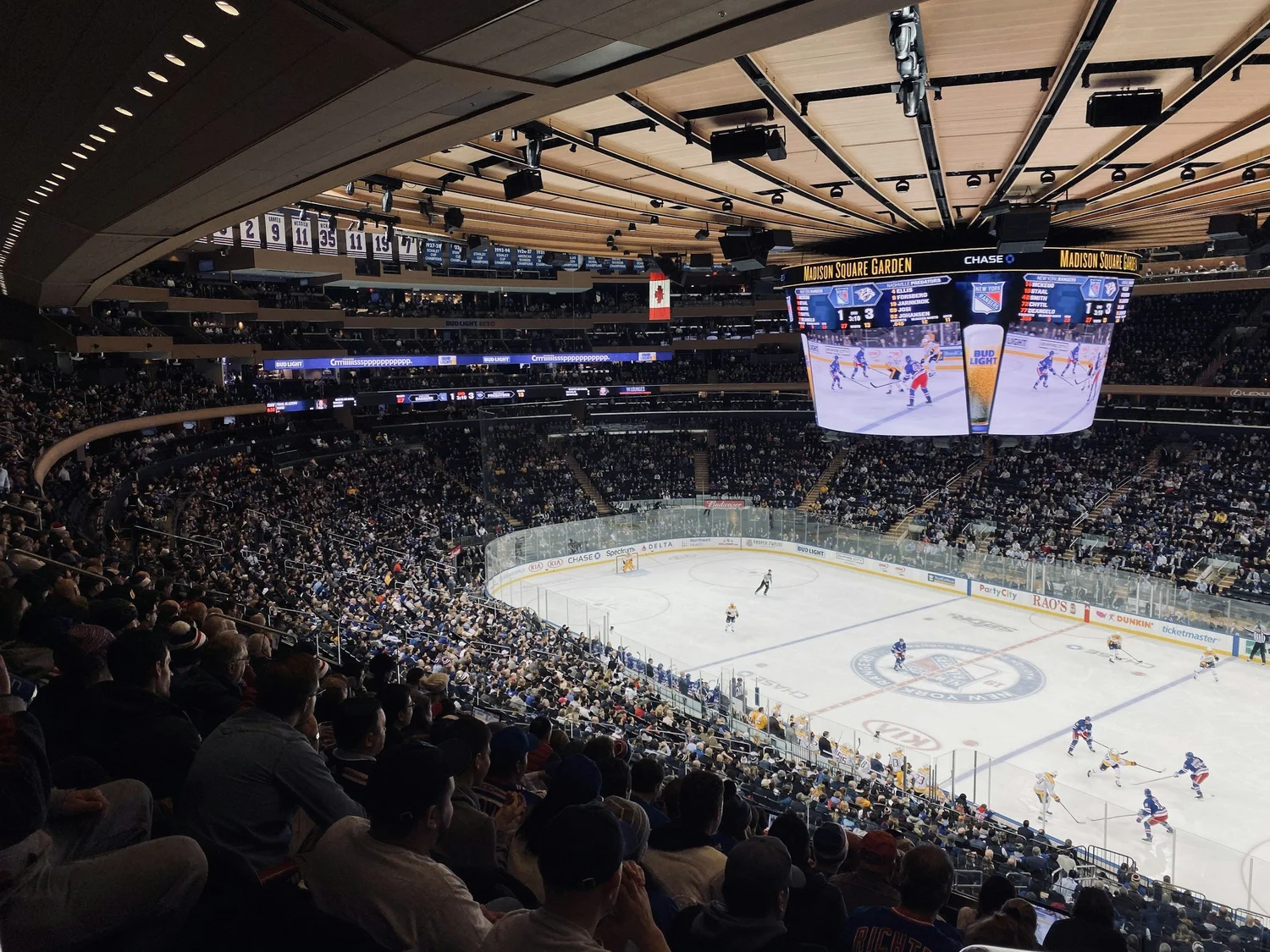
Safety Readiness in Professional Sports Venues: Emergency Preparedness Behind the Scenes
On game day, sports arenas are designed to feel seamless. Fans focus on the ice, court, or field while music, lighting, and crowd energy take center stage. Thousands of people move through entrances, concourses, and seating areas without thinking about stadium safety planning.
Behind the scenes, however, professional sports venues operate like small cities. Large crowds, tight timelines, heavy equipment, and high-energy environments require structured event risk management and emergency preparedness planning.
Safety readiness is a critical part of arena operations.
High-Energy Environments Create Unique Venue Safety Challenges
Sports venues are active long before the first whistle and long after the final buzzer. Staff handle staging, rigging, equipment movement, and facility operations while athletes perform at peak physical intensity. Meanwhile, tens of thousands of spectators navigate stairs, escalators, and crowded walkways.
In facilities where fans gather, safety teams must maintain crowd safety without interrupting the fan experience. Arena medical readiness must remain constant while events run on schedule.
Even with strong protocols, injuries can occur in dynamic environments.
When Incidents Happen, Response Time Matters
In a packed stadium, access can be complex. Emergency medical teams may need to move through dense crowds, restricted areas, or multiple levels to reach someone in need.
During those critical first minutes, nearby staff, security personnel, or trained employees often become the first responders. Effective response depends on:
clear emergency procedures
accessible safety equipment
familiarity with bleeding control and first aid tools
Public venue safety planning focuses on stabilizing the situation before EMS arrival.
Preparedness as Part of the Game Plan
Most professional sports venues invest heavily in stadium emergency preparedness. Medical teams, response plans, and coordinated communication systems are standard parts of operations.
Automatic tourniquets, bleeding control kits, and stop-the-bleed equipment fit naturally within this framework. Their purpose is simple: help control severe bleeding and stabilize injuries until advanced care arrives.
In large public gatherings, immediate action can significantly improve outcomes.
Protecting Staff, Athletes, and Fans
Arena safety extends beyond players. It protects operations crews, security staff, vendors, volunteers, and families attending events.
Comprehensive preparedness programs typically include:
emergency response planning
first aid and bleeding control training
accessible life-saving equipment
coordinated communication protocols
When these elements work together, incidents are handled calmly rather than chaotically.
Safety Without Disrupting the Fan Experience
The best venue safety systems are rarely noticed. Preparedness works quietly in the background — ready when needed but invisible when everything runs smoothly.
For sports organizations, balancing fan enjoyment with public safety is essential. Visitors come for entertainment; venues plan to ensure everyone leaves safely.
Planning for Modern Event Safety
Sports venues bring communities together in powerful ways. As arenas grow larger and events become more complex, structured emergency preparedness becomes increasingly important.
Thoughtful planning ensures that when unexpected injuries occur, teams can respond efficiently and confidently. Effective stadium safety isn’t just about compliance — it’s about readiness.
Safety Readiness in Professional Sports Venues: Emergency Preparedness Behind the Scenes
On game day, sports arenas are designed to feel seamless. Fans focus on the ice, court, or field while music, lighting, and crowd energy take center stage. Thousands of people move through entrances, concourses, and seating areas without thinking about stadium safety planning.
Behind the scenes, however, professional sports venues operate like small cities. Large crowds, tight timelines, heavy equipment, and high-energy environments require structured event risk management and emergency preparedness planning.
Safety readiness is a critical part of arena operations.
High-Energy Environments Create Unique Venue Safety Challenges
Sports venues are active long before the first whistle and long after the final buzzer. Staff handle staging, rigging, equipment movement, and facility operations while athletes perform at peak physical intensity. Meanwhile, tens of thousands of spectators navigate stairs, escalators, and crowded walkways.
In facilities where fans gather, safety teams must maintain crowd safety without interrupting the fan experience. Arena medical readiness must remain constant while events run on schedule.
Even with strong protocols, injuries can occur in dynamic environments.
When Incidents Happen, Response Time Matters
In a packed stadium, access can be complex. Emergency medical teams may need to move through dense crowds, restricted areas, or multiple levels to reach someone in need.
During those critical first minutes, nearby staff, security personnel, or trained employees often become the first responders. Effective response depends on:
clear emergency procedures
accessible safety equipment
familiarity with bleeding control and first aid tools
Public venue safety planning focuses on stabilizing the situation before EMS arrival.
Preparedness as Part of the Game Plan
Most professional sports venues invest heavily in stadium emergency preparedness. Medical teams, response plans, and coordinated communication systems are standard parts of operations.
Automatic tourniquets, bleeding control kits, and stop-the-bleed equipment fit naturally within this framework. Their purpose is simple: help control severe bleeding and stabilize injuries until advanced care arrives.
In large public gatherings, immediate action can significantly improve outcomes.
Protecting Staff, Athletes, and Fans
Arena safety extends beyond players. It protects operations crews, security staff, vendors, volunteers, and families attending events.
Comprehensive preparedness programs typically include:
emergency response planning
first aid and bleeding control training
accessible life-saving equipment
coordinated communication protocols
When these elements work together, incidents are handled calmly rather than chaotically.
Safety Without Disrupting the Fan Experience
The best venue safety systems are rarely noticed. Preparedness works quietly in the background — ready when needed but invisible when everything runs smoothly.
For sports organizations, balancing fan enjoyment with public safety is essential. Visitors come for entertainment; venues plan to ensure everyone leaves safely.
Planning for Modern Event Safety
Sports venues bring communities together in powerful ways. As arenas grow larger and events become more complex, structured emergency preparedness becomes increasingly important.
Thoughtful planning ensures that when unexpected injuries occur, teams can respond efficiently and confidently. Effective stadium safety isn’t just about compliance — it’s about readiness.