

Safety Preparedness Across Transportation Operations
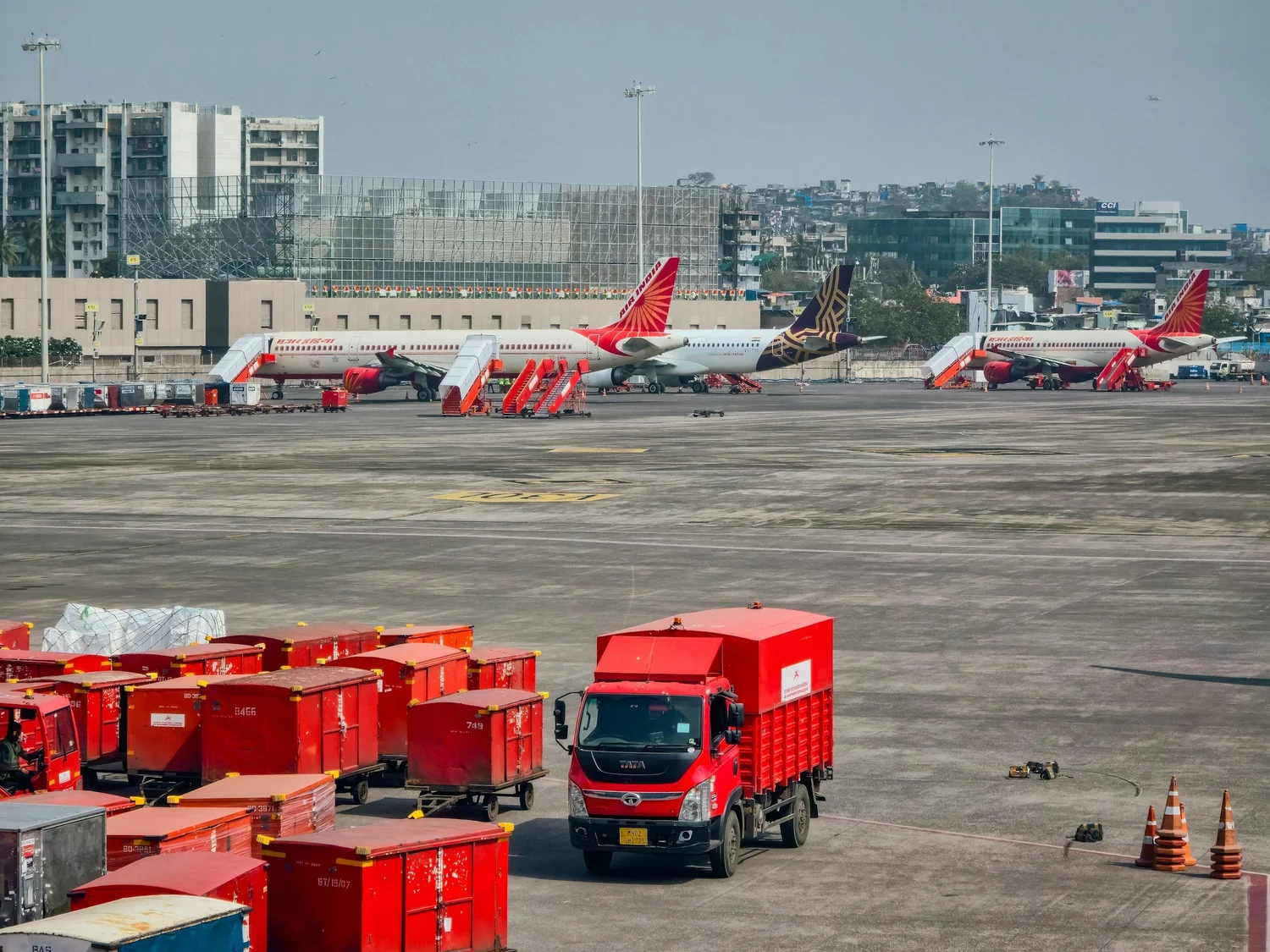
The transportation industry keeps people and goods moving every day. From airports and rail yards to warehouses, ports, and ground service operations, these workplaces are fast paced, equipment heavy, and constantly in motion. With this level of activity comes a greater need for workplace emergency preparedness when injuries occur.
Even with strong safety procedures, no industrial environment is immune to accidents. When incidents happen, accessible bleeding control equipment can make a meaningful difference in the minutes before emergency medical services arrive.
High Activity Environments Carry Higher Risk
Transportation operations commonly involve:
Heavy machinery and ground service equipment
Moving vehicles and aircraft
Conveyor systems and loading equipment
Tight schedules and high traffic flow
In these settings, slips, falls, crush injuries, and equipment related incidents can occur. Some injuries may involve severe bleeding and require immediate first aid response.
Workplace stop the bleed readiness helps teams stabilize injuries while professional responders are en route.
Why Immediate Response Matters
In transportation facilities, access to medical services may be delayed by distance, security protocols, or operational complexity. Airports, shipping ports, rail terminals, and distribution centers often cover large areas, making exact incident locations difficult to reach quickly.
During the first minutes after an injury, nearby personnel are typically the first able to respond. When bleeding control tools are available, workers can act immediately and support safer outcomes.
Industrial emergency preparedness focuses on bridging the gap until medical professionals arrive.
Bleeding Control Equipment as Standard Safety Readiness
Most transportation organizations already maintain safety equipment such as fire extinguishers, eye wash stations, and first aid kits. Workplace bleeding control kits fit naturally within this framework.
These tools help stabilize severe injuries and reduce risk until advanced medical care is available. They do not replace emergency services but strengthen the chain of response during critical early moments.
Supporting Workers with the Right Resources
Preparedness includes both equipment and familiarity.
When teams know:
Where emergency equipment is located
When and how to use it
That immediate action is supported
they respond more calmly and effectively. Clear signage, consistent communication, and routine safety training help build a culture where response becomes second nature.
Building a Culture of Preparedness
Investing in industrial safety readiness is not about expecting emergencies. It is about recognizing the dynamic nature of transportation work and planning responsibly.
Just as organizations prepare for mechanical failures or weather disruptions, preparing for medical emergencies demonstrates commitment to worker safety and operational continuity.
Looking Ahead
The transportation industry depends on skilled professionals working in demanding environments. By prioritizing preparedness and providing access to essential bleeding control equipment, organizations strengthen their ability to respond effectively when incidents occur.
Proactive preparation supports safer workplaces and more confident teams.
Safety Preparedness Across Transportation Operations
The transportation industry keeps people and goods moving every day. From airports and rail yards to warehouses, ports, and ground service operations, these workplaces are fast paced, equipment heavy, and constantly in motion. With this level of activity comes a greater need for workplace emergency preparedness when injuries occur.
Even with strong safety procedures, no industrial environment is immune to accidents. When incidents happen, accessible bleeding control equipment can make a meaningful difference in the minutes before emergency medical services arrive.
High Activity Environments Carry Higher Risk
Transportation operations commonly involve:
Heavy machinery and ground service equipment
Moving vehicles and aircraft
Conveyor systems and loading equipment
Tight schedules and high traffic flow
In these settings, slips, falls, crush injuries, and equipment related incidents can occur. Some injuries may involve severe bleeding and require immediate first aid response.
Workplace stop the bleed readiness helps teams stabilize injuries while professional responders are en route.
Why Immediate Response Matters
In transportation facilities, access to medical services may be delayed by distance, security protocols, or operational complexity. Airports, shipping ports, rail terminals, and distribution centers often cover large areas, making exact incident locations difficult to reach quickly.
During the first minutes after an injury, nearby personnel are typically the first able to respond. When bleeding control tools are available, workers can act immediately and support safer outcomes.
Industrial emergency preparedness focuses on bridging the gap until medical professionals arrive.
Bleeding Control Equipment as Standard Safety Readiness
Most transportation organizations already maintain safety equipment such as fire extinguishers, eye wash stations, and first aid kits. Workplace bleeding control kits fit naturally within this framework.
These tools help stabilize severe injuries and reduce risk until advanced medical care is available. They do not replace emergency services but strengthen the chain of response during critical early moments.
Supporting Workers with the Right Resources
Preparedness includes both equipment and familiarity.
When teams know:
Where emergency equipment is located
When and how to use it
That immediate action is supported
they respond more calmly and effectively. Clear signage, consistent communication, and routine safety training help build a culture where response becomes second nature.
Building a Culture of Preparedness
Investing in industrial safety readiness is not about expecting emergencies. It is about recognizing the dynamic nature of transportation work and planning responsibly.
Just as organizations prepare for mechanical failures or weather disruptions, preparing for medical emergencies demonstrates commitment to worker safety and operational continuity.
Looking Ahead
The transportation industry depends on skilled professionals working in demanding environments. By prioritizing preparedness and providing access to essential bleeding control equipment, organizations strengthen their ability to respond effectively when incidents occur.
Proactive preparation supports safer workplaces and more confident teams.