
Forestry and Logging Safety Preparedness in Remote Work Environments

Forestry and Logging Safety Preparedness in Remote Work Environments
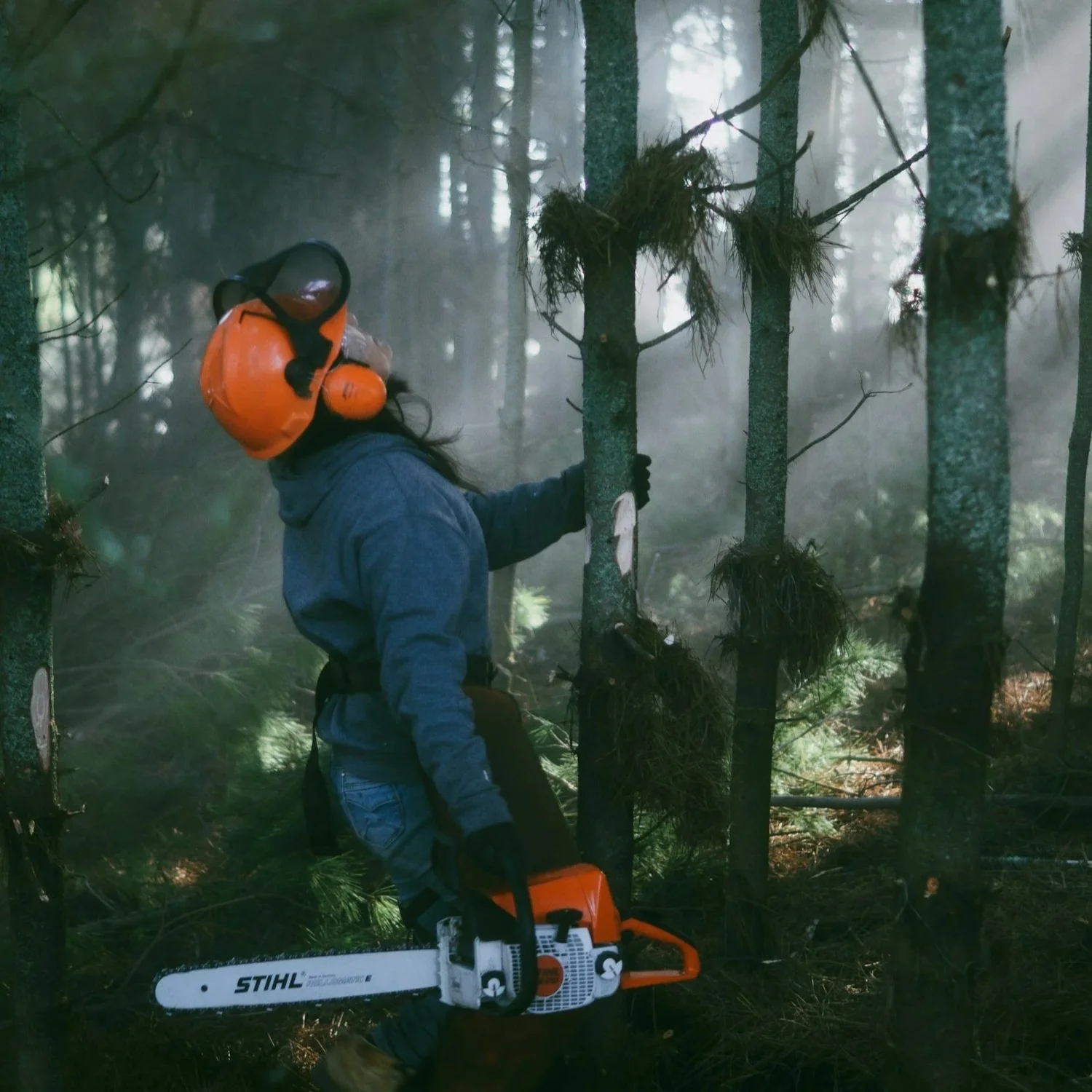
Forestry and logging operations take place far from help: remote terrain, uneven ground, and constantly changing environmental conditions. Crews work with powerful tools, heavy equipment, and natural elements that can’t be fully controlled. In these settings, safety planning has to account not only for risk, but for distance and time.
When an injury happens deep in the field, help is rarely just minutes away.
Distance Changes Everything
Unlike controlled work environments, forestry and logging sites are often miles from paved roads, beyond reliable cell service, spread across large, wooded areas, and difficult for emergency vehicles to access quickly. Even when emergency services are called immediately, reaching the injured worker may take significant time. In those situations, the response that happens on-site becomes critical.
The Nature of the Work Increases Injury Severity
Forestry and logging crews regularly work with chainsaws and cutting tools, heavy machinery and moving loads, uneven, slippery, or unstable terrain, and fatigue from long hours and physical labor. Despite strong safety practices, accidents can still occur. Some injuries may involve significant bleeding, making early intervention especially important while waiting for evacuation or medical support.
On-Site Readiness Is Not Optional
In remote operations, preparedness is not an added layer of safety but a core requirement of the job.
When bleeding control and basic safety tools are readily available, crews can respond immediately to an injury, help limit further harm, and care for a teammate while waiting for professional assistance. These tools are not intended to replace trained responders; rather, they help bridge the gap between injury and advanced medical care in environments where that gap is often unavoidable.
Training and Trust Go Hand in Hand
Tools alone are not enough. Effective preparedness depends on people knowing how and when to act.
Crews that are trained, supported, and encouraged to respond:
Communicate more clearly during emergencies
Act with greater confidence
Work together to manage stressful situations
Clear protocols, consistent training, and visible leadership support help reinforce a culture where safety is shared and action is expected.
Preparedness as a Sign of Respect
Investing in safety tools and training sends a clear message to forestry and logging teams: their lives and well-being matter.
Preparedness reflects respect for:
The physical demands of the work
The realities of remote environments
The people who show up every day to do difficult jobs
It acknowledges that while risks can be managed, they can’t always be eliminated.
Looking Forward
Forestry and logging will always involve challenging conditions. Thoughtful preparation helps ensure that when incidents occur, teams are ready to respond effectively and responsibly.
In environments far from immediate help, preparation becomes one of the most important safety measures crews have.
Forestry and logging operations take place far from help: remote terrain, uneven ground, and constantly changing environmental conditions. Crews work with powerful tools, heavy equipment, and natural elements that can’t be fully controlled. In these settings, safety planning has to account not only for risk, but for distance and time.
When an injury happens deep in the field, help is rarely just minutes away.
Distance Changes Everything
Unlike controlled work environments, forestry and logging sites are often miles from paved roads, beyond reliable cell service, spread across large, wooded areas, and difficult for emergency vehicles to access quickly. Even when emergency services are called immediately, reaching the injured worker may take significant time. In those situations, the response that happens on-site becomes critical.
The Nature of the Work Increases Injury Severity
Forestry and logging crews regularly work with chainsaws and cutting tools, heavy machinery and moving loads, uneven, slippery, or unstable terrain, and fatigue from long hours and physical labor. Despite strong safety practices, accidents can still occur. Some injuries may involve significant bleeding, making early intervention especially important while waiting for evacuation or medical support.
On-Site Readiness Is Not Optional
In remote operations, preparedness is not an added layer of safety but a core requirement of the job.
When bleeding control and basic safety tools are readily available, crews can respond immediately to an injury, help limit further harm, and care for a teammate while waiting for professional assistance. These tools are not intended to replace trained responders; rather, they help bridge the gap between injury and advanced medical care in environments where that gap is often unavoidable.
Training and Trust Go Hand in Hand
Tools alone are not enough. Effective preparedness depends on people knowing how and when to act.
Crews that are trained, supported, and encouraged to respond:
Communicate more clearly during emergencies
Act with greater confidence
Work together to manage stressful situations
Clear protocols, consistent training, and visible leadership support help reinforce a culture where safety is shared and action is expected.
Preparedness as a Sign of Respect
Investing in safety tools and training sends a clear message to forestry and logging teams: their lives and well-being matter.
Preparedness reflects respect for:
The physical demands of the work
The realities of remote environments
The people who show up every day to do difficult jobs
It acknowledges that while risks can be managed, they can’t always be eliminated.
Looking Forward
Forestry and logging will always involve challenging conditions. Thoughtful preparation helps ensure that when incidents occur, teams are ready to respond effectively and responsibly.
In environments far from immediate help, preparation becomes one of the most important safety measures crews have.